
















Rebuilding Autochrome: Years of Chasing Color on Glass

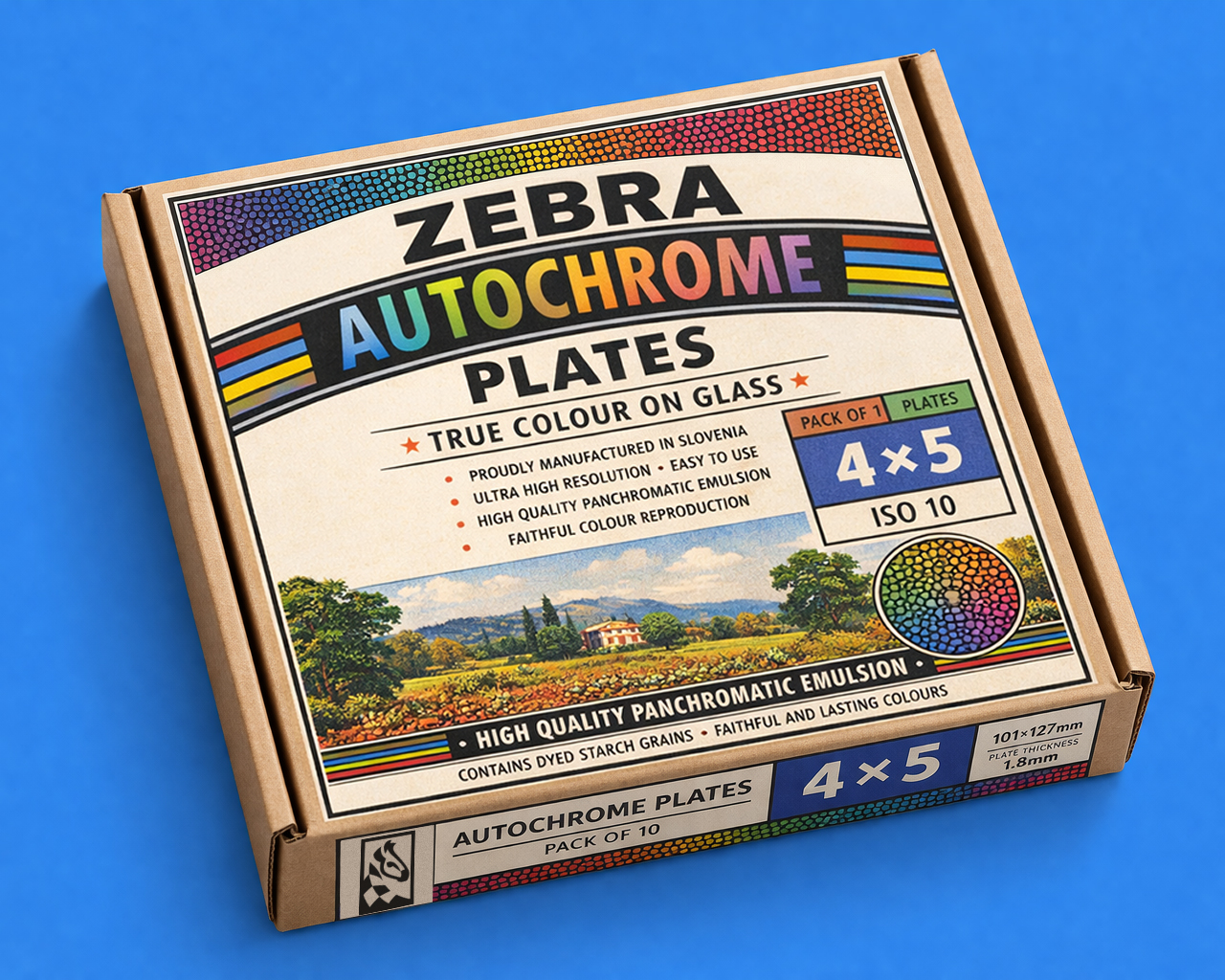
For more than a century, the Autochrome process has remained one of the most elegant and elusive achievements in the history of photography.
Not because it was ever practical.
But because, against all odds, it worked at all.
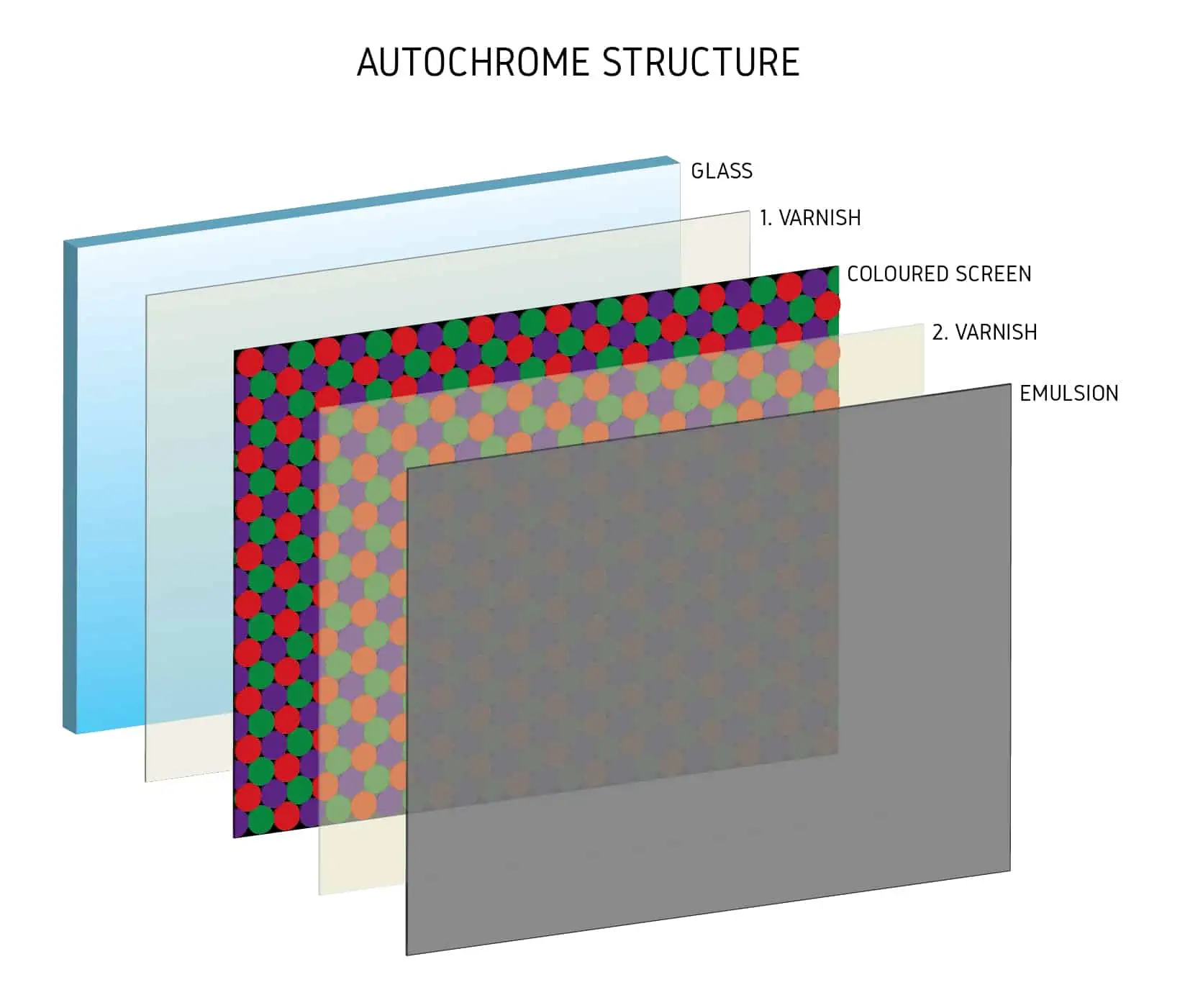
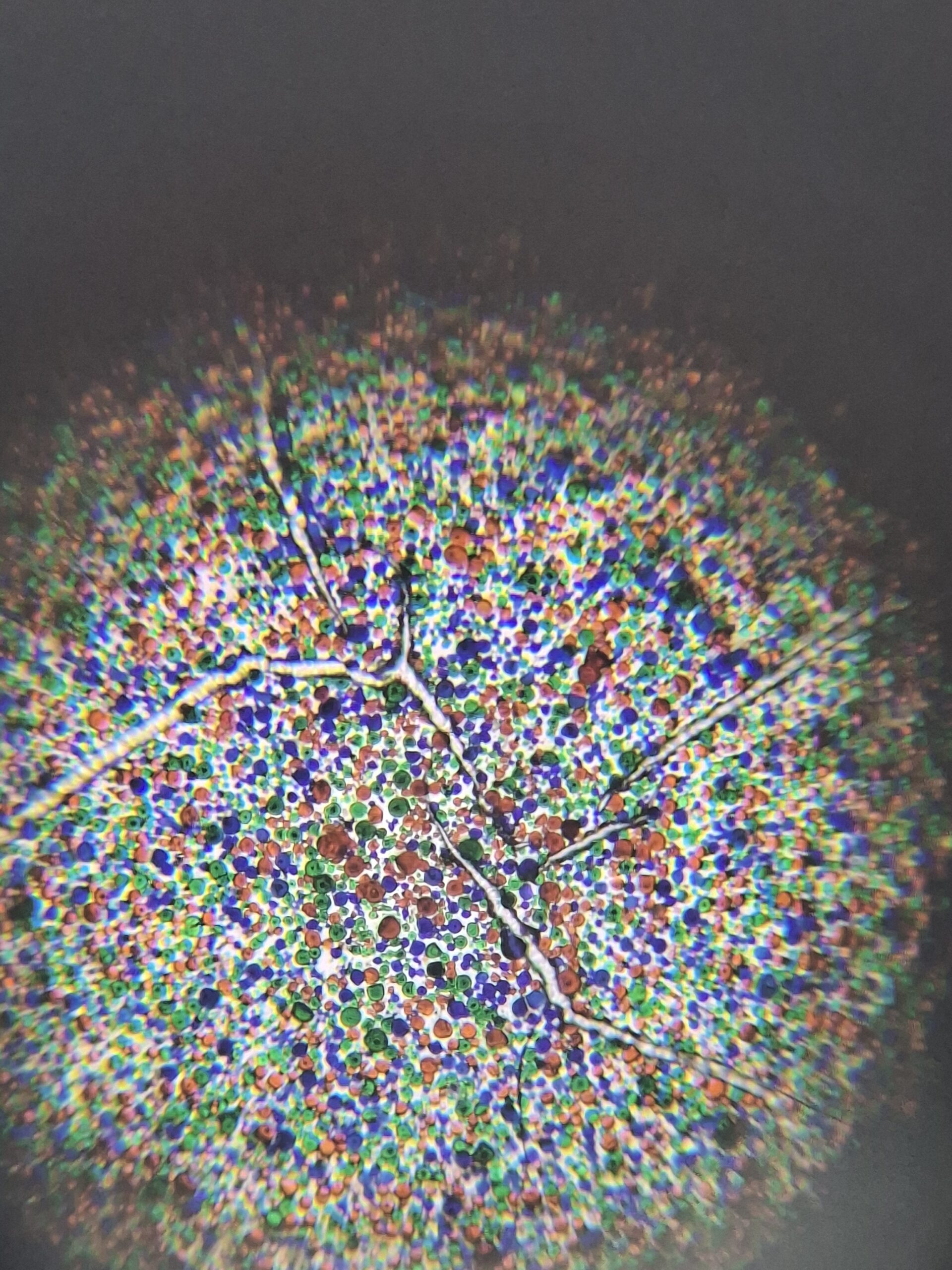
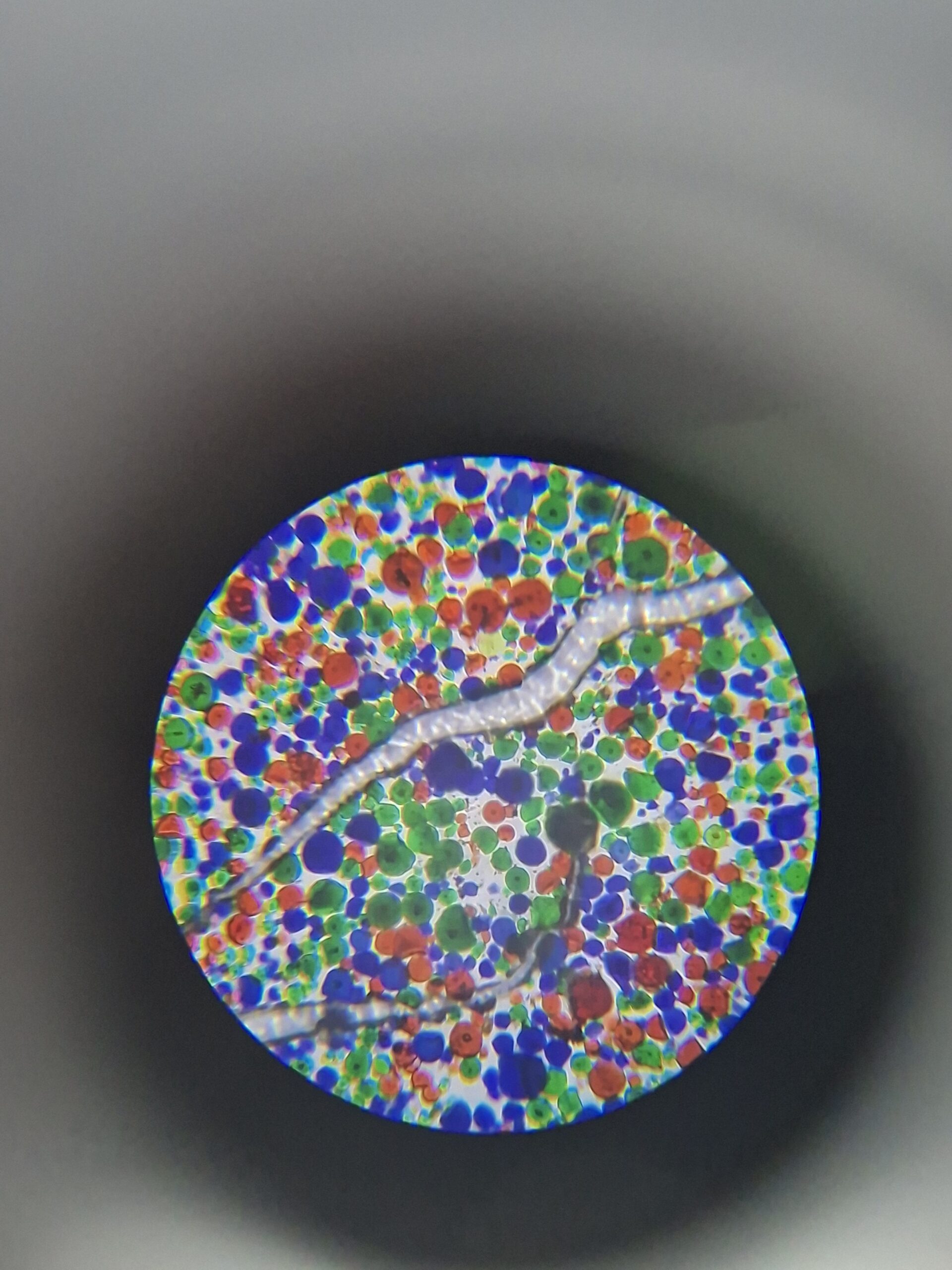
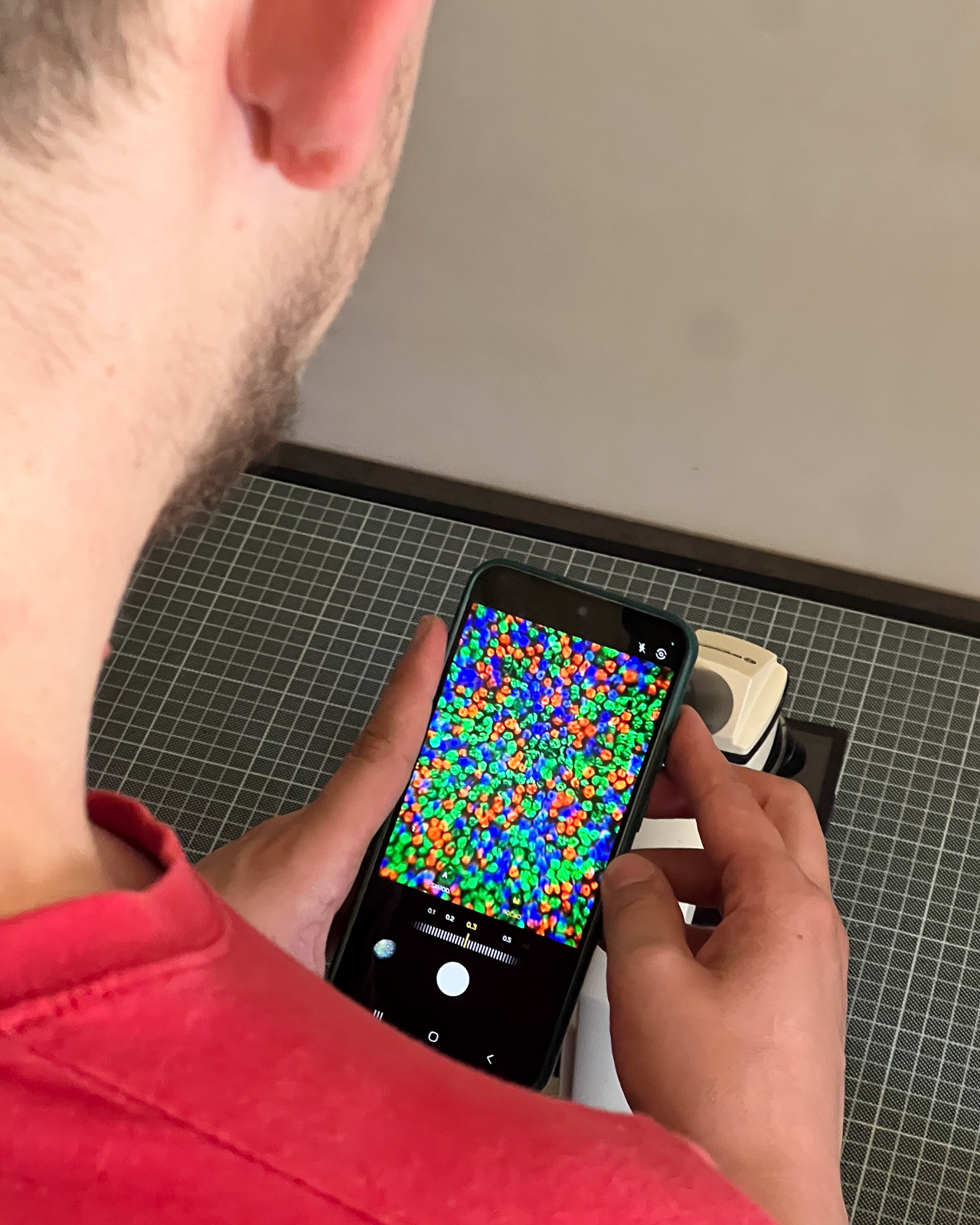
A surface composed of millions of microscopic dyed starch grains, acting as a random yet functional mosaic of color filters.
Above it, a panchromatic silver gelatin emulsion, forced to resolve an image not directly, but through this fragile, imperfect screen.
Light does not simply record an image here.
It negotiates with the material.
What emerges is not just a photograph, but a convergence of structure, probability, and compromise, balanced so delicately that even small deviations collapse the entire system.
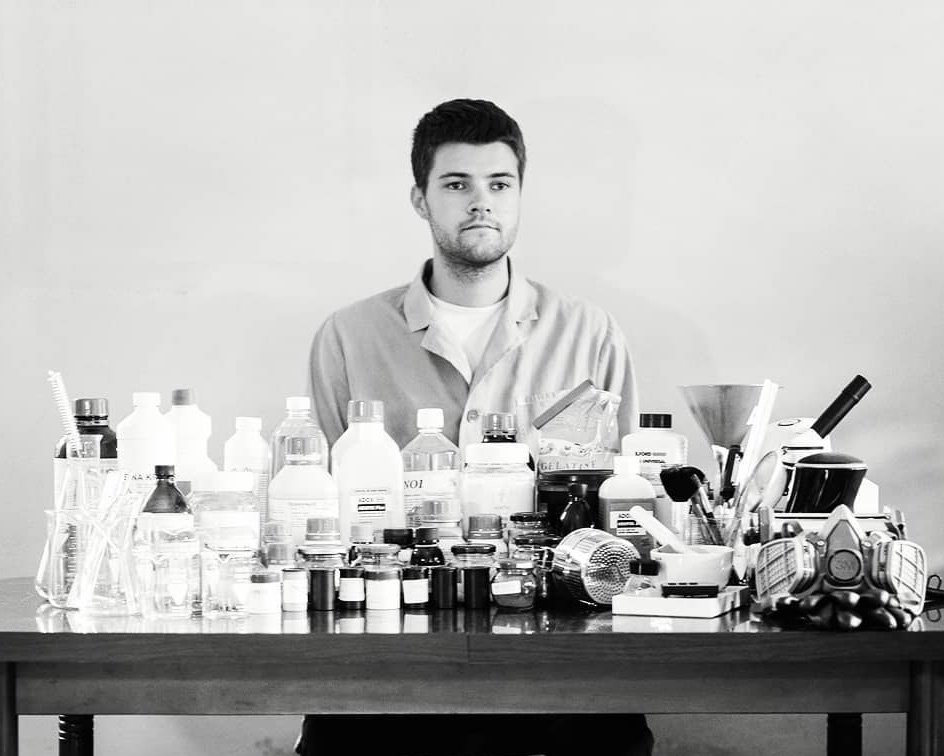
Since 2017, we have been exploring what it would take to revisit this process within a modern dry plate context.
Not as a strict historical reconstruction, but as a working method, something that could exist today without losing the essence of what made Autochrome so unique.
It quickly became apparent why the process never evolved beyond its original form.
Every step is interdependent.
Every improvement introduces a new instability.
The Colour Screen
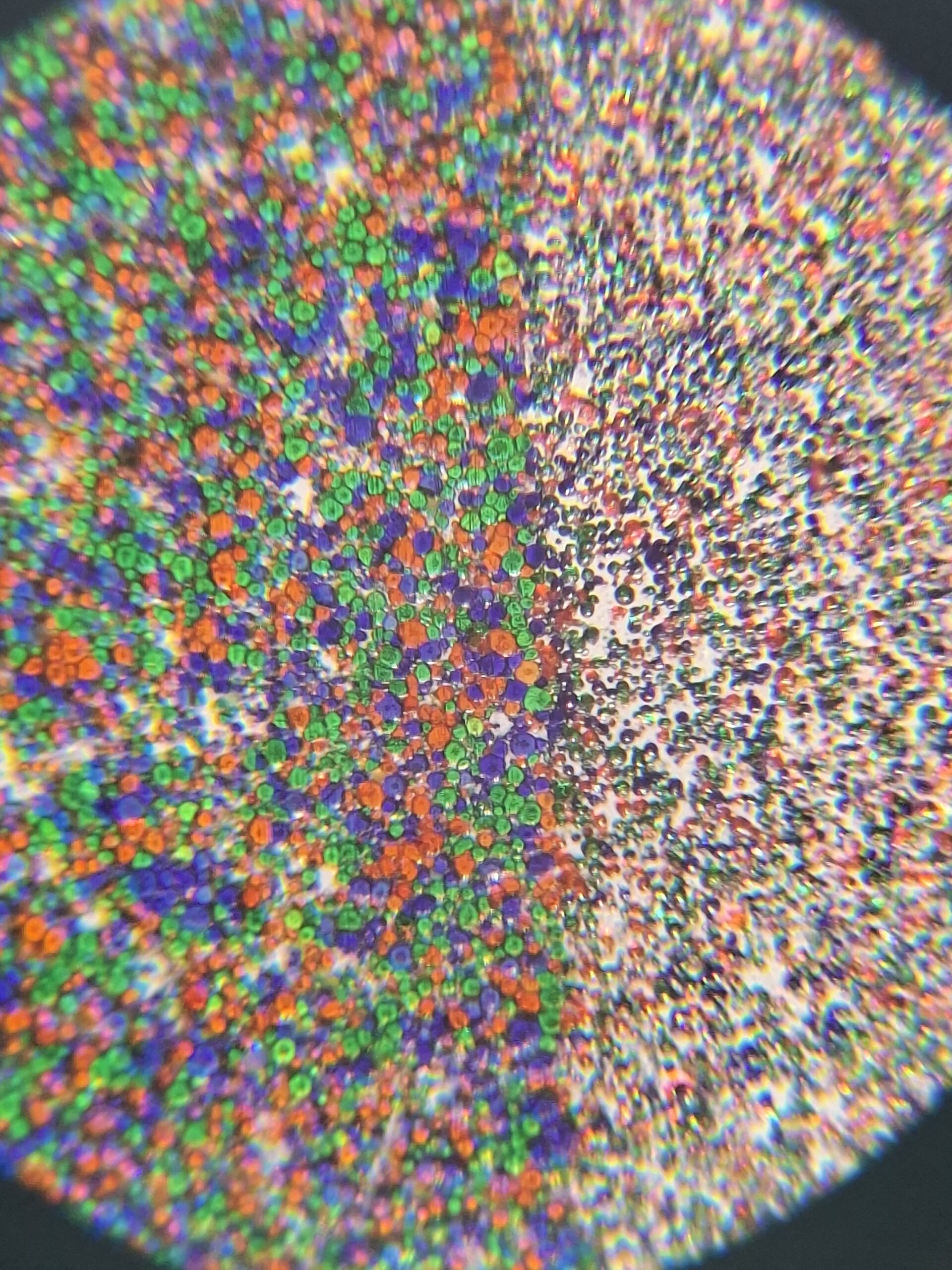
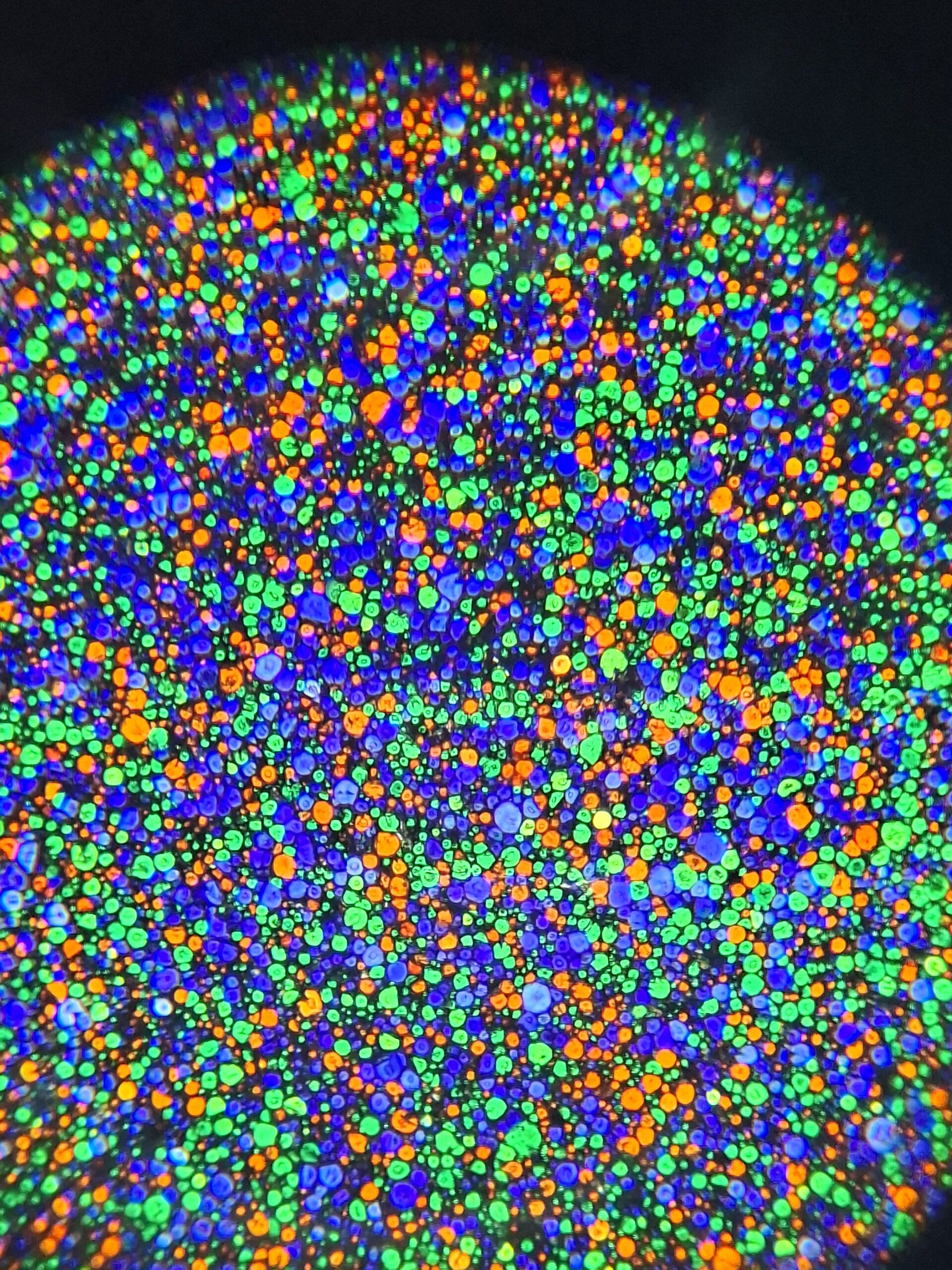
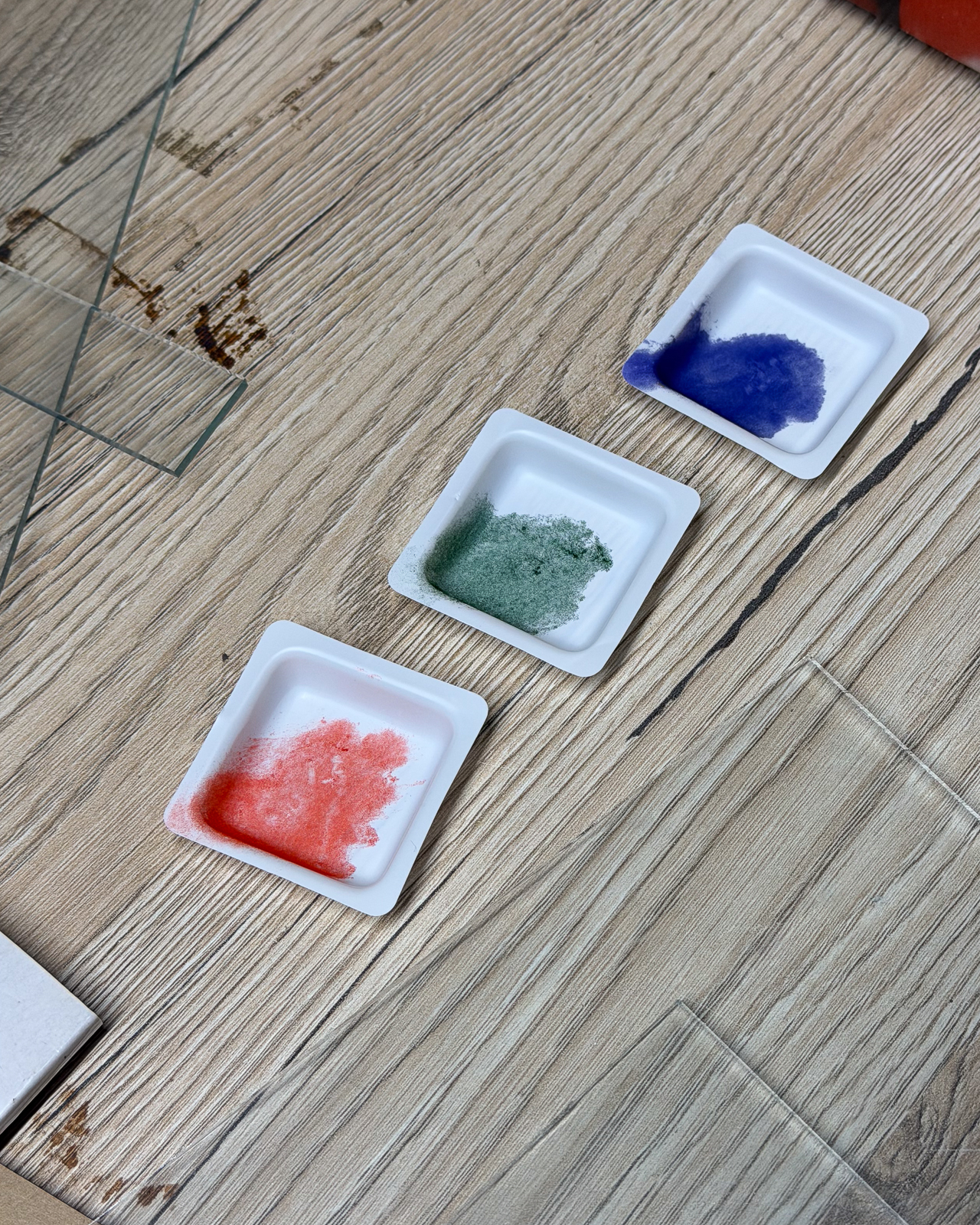
At the core of the process lies the color screen, traditionally composed of potato starch grains dyed in orange-red, green, and violet, and sorted to a relatively narrow size distribution.
The theoretical requirement is deceptively simple, a dense, uniform layer of randomly distributed particles, each acting as a microscopic filter.
In practice, this becomes one of the most difficult materials problems in early photographic history.
Grain size directly defines resolution.
Distribution defines color fidelity.
Packing density governs both light transmission and contrast.
Too sparse, and light bypasses the filter system entirely.
Too dense, and sensitivity collapses to unusable levels.
But beyond distribution lies a more subtle issue. Randomness itself must be controlled.
Clustering, segregation of colors, or directional bias in the layer all introduce artifacts that become immediately visible in the final image.
Creating a screen that is both random and uniform is, paradoxically, a highly structured problem.
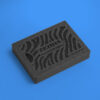
The pressing machine
Once deposited, the screen must be mechanically stabilized.
Historically, this involved pressing the starch layer into a flattened, interlocking structure, followed by impregnation with binding varnishes to eliminate air gaps and improve optical continuity.
Revisiting this step revealed just how narrow the operating window truly is.
Insufficient pressure leaves a fragile surface that cannot support coating.
Excessive pressure collapses the granular structure, reducing both spectral separation and light transmission.
More critically, the interface between the screen and the emulsion must remain optically clean.
Any micro-voids, refractive inconsistencies, or binder incompatibilities introduce scattering, softening the image and desaturating color before the emulsion even has a chance to respond.
Panchromatic Response Through the colour screen
Unlike conventional dry plates, the emulsion here is not exposed directly to the scene, but through a dense, subtractive filter matrix.
This places unusual demands on spectral sensitivity.
The emulsion must respond evenly across the visible spectrum, while compensating for the transmission characteristics of the starch dyes themselves.
Historically, this required careful sensitization using dyes such as pinacyanol and related compounds, extending sensitivity into the red while maintaining balance across the spectrum.
In practice, even small deviations in sensitization shift color rendering dramatically.
Exposure becomes a negotiation between filtration losses and emulsion response.
What appears as a simple color image is, in reality, the result of multiple overlapping inefficiencies aligning just well enough to produce coherence.
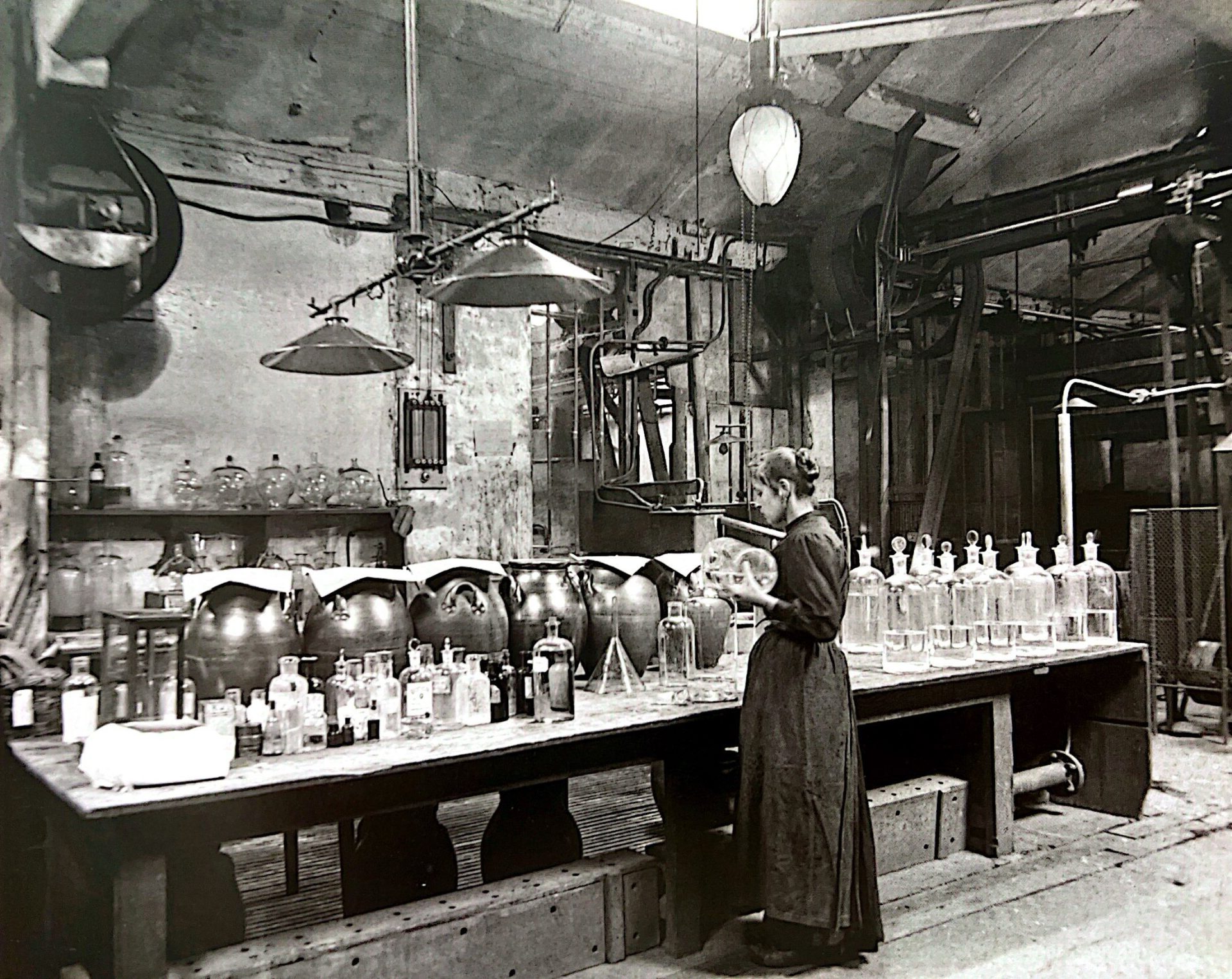
Surface Finishing and Optical Stability
Even when an image successfully forms, it is not yet complete.
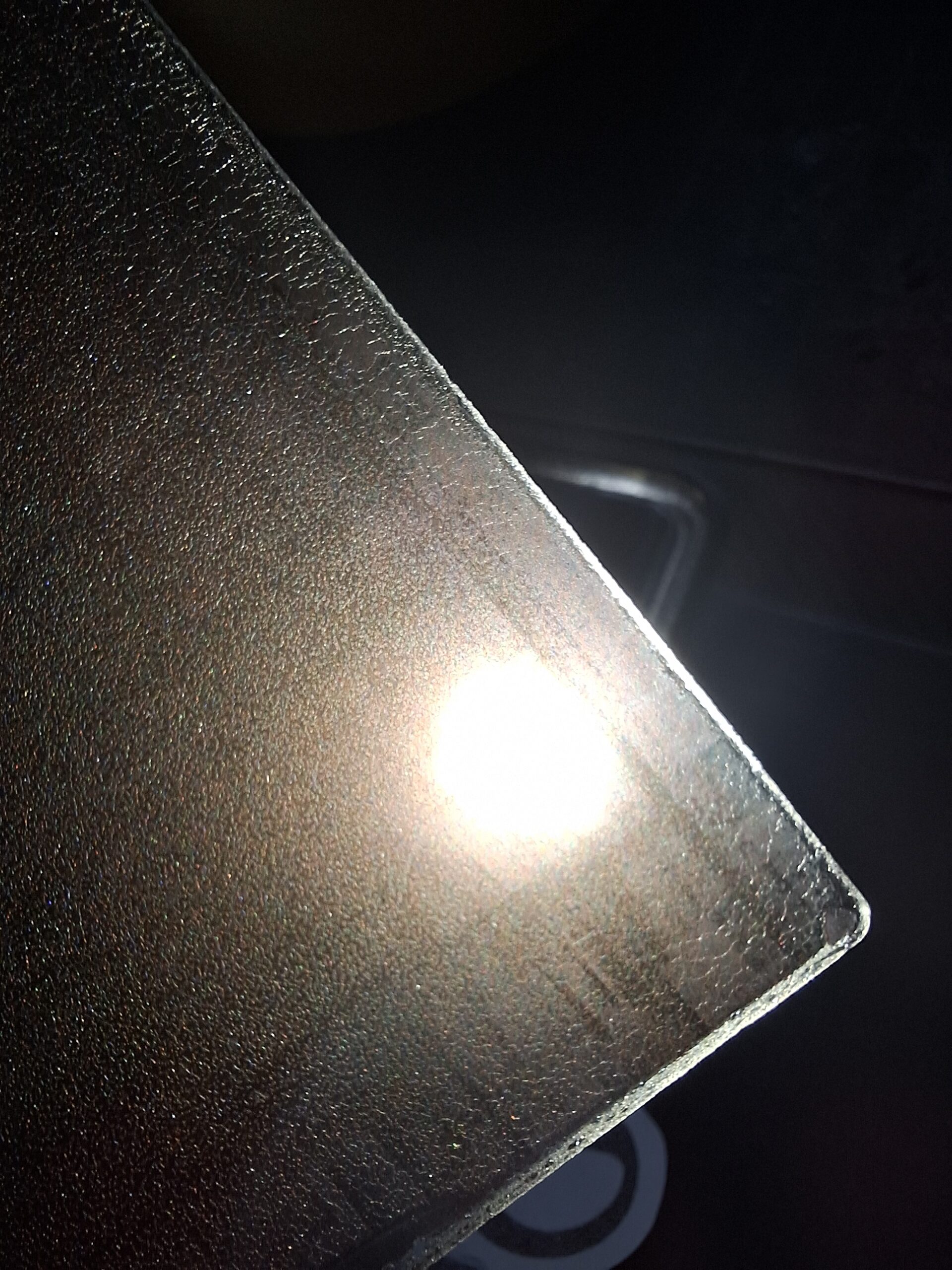
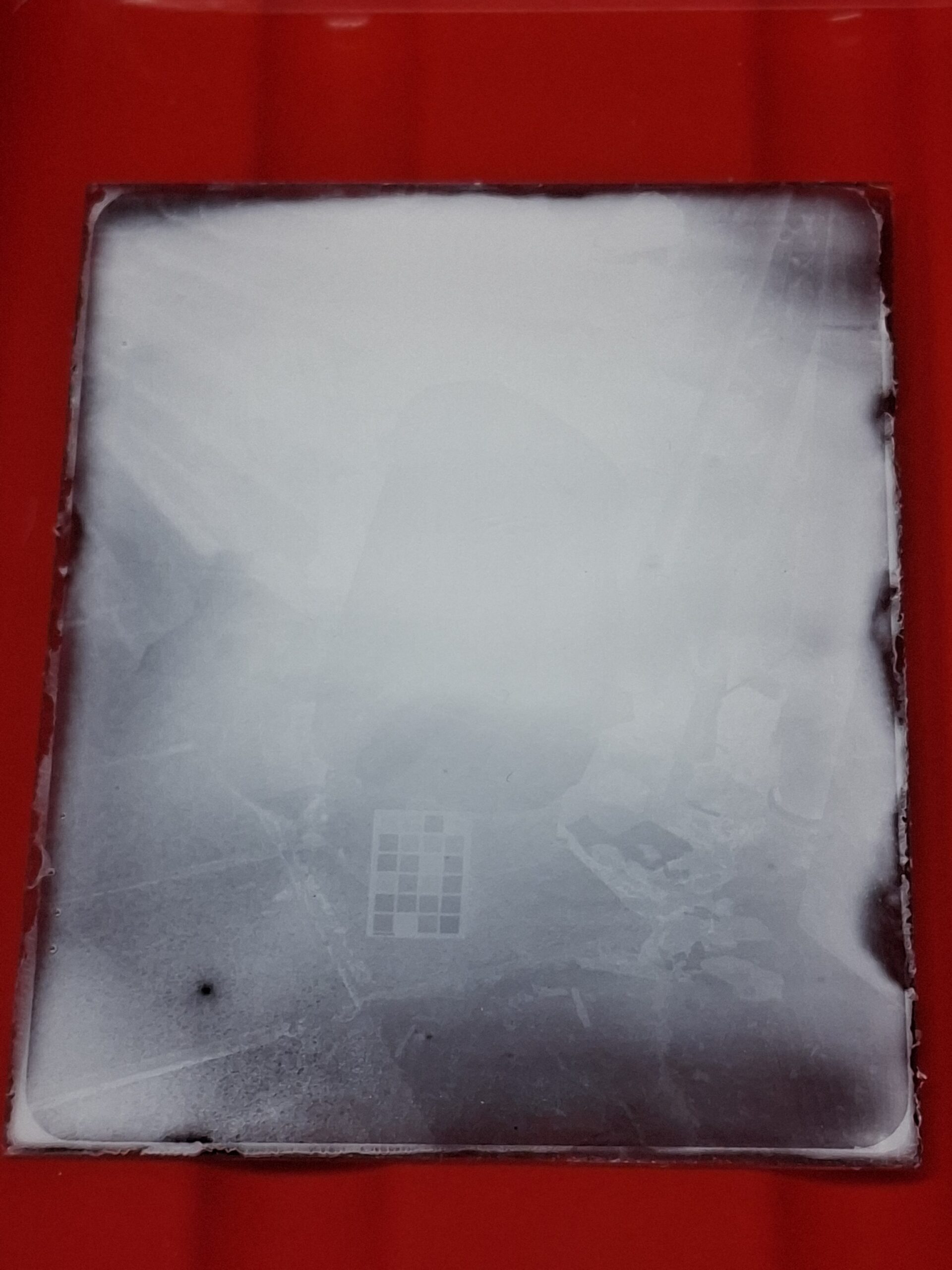
The final step, sealing the plate, serves not only to protect the emulsion, but to define the optical behavior of the entire system.
The refractive index of the varnish layer must closely match that of the underlying materials.
Any mismatch alters the interaction between light and the color screen, shifting both saturation and perceived sharpness.
Some varnishes introduce subtle color casts.
Others reduce micro-contrast.
Many fail over time, leading to long-term stability issues.
At this stage, the process stops being purely photographic and becomes deeply material.
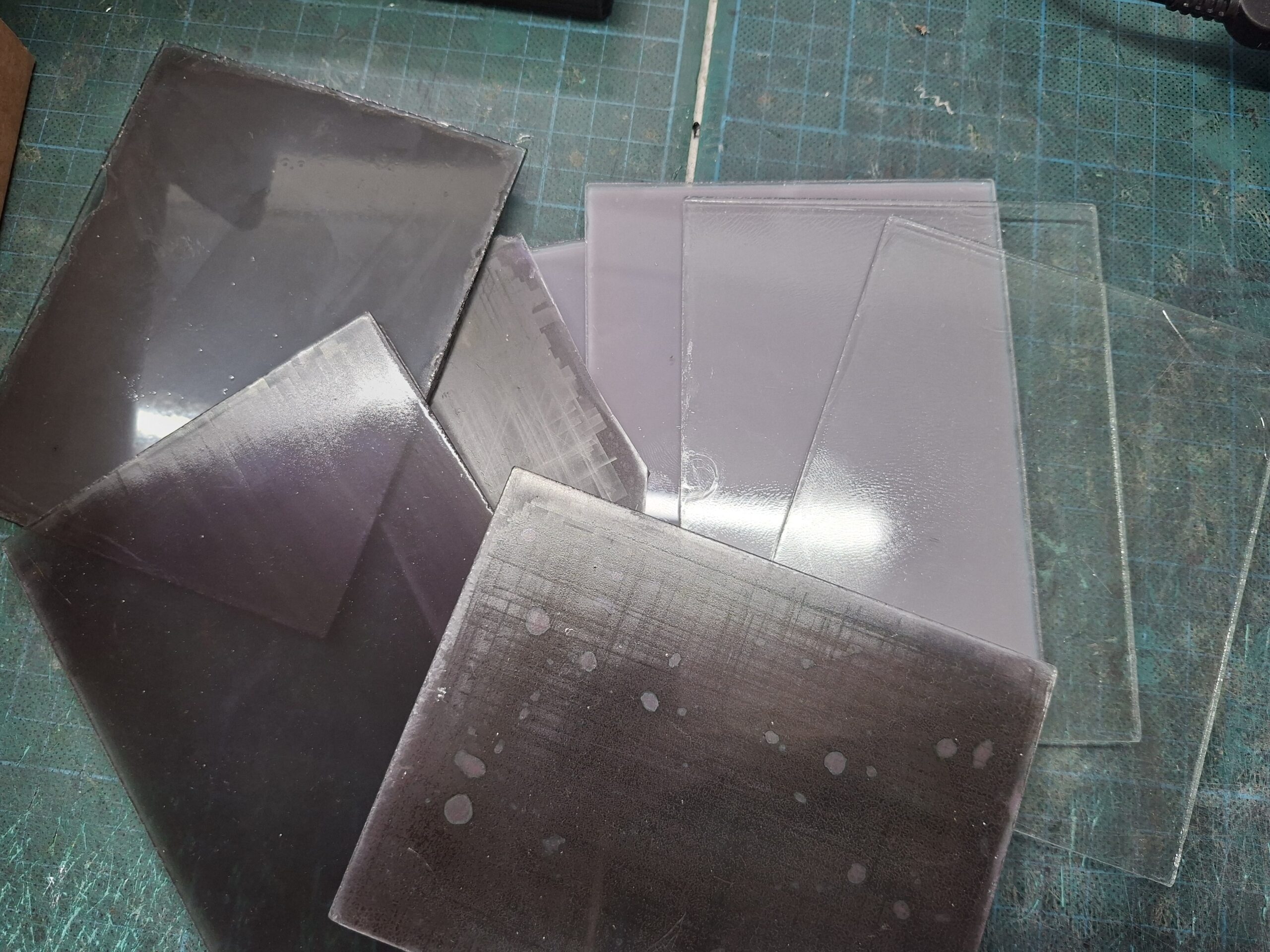
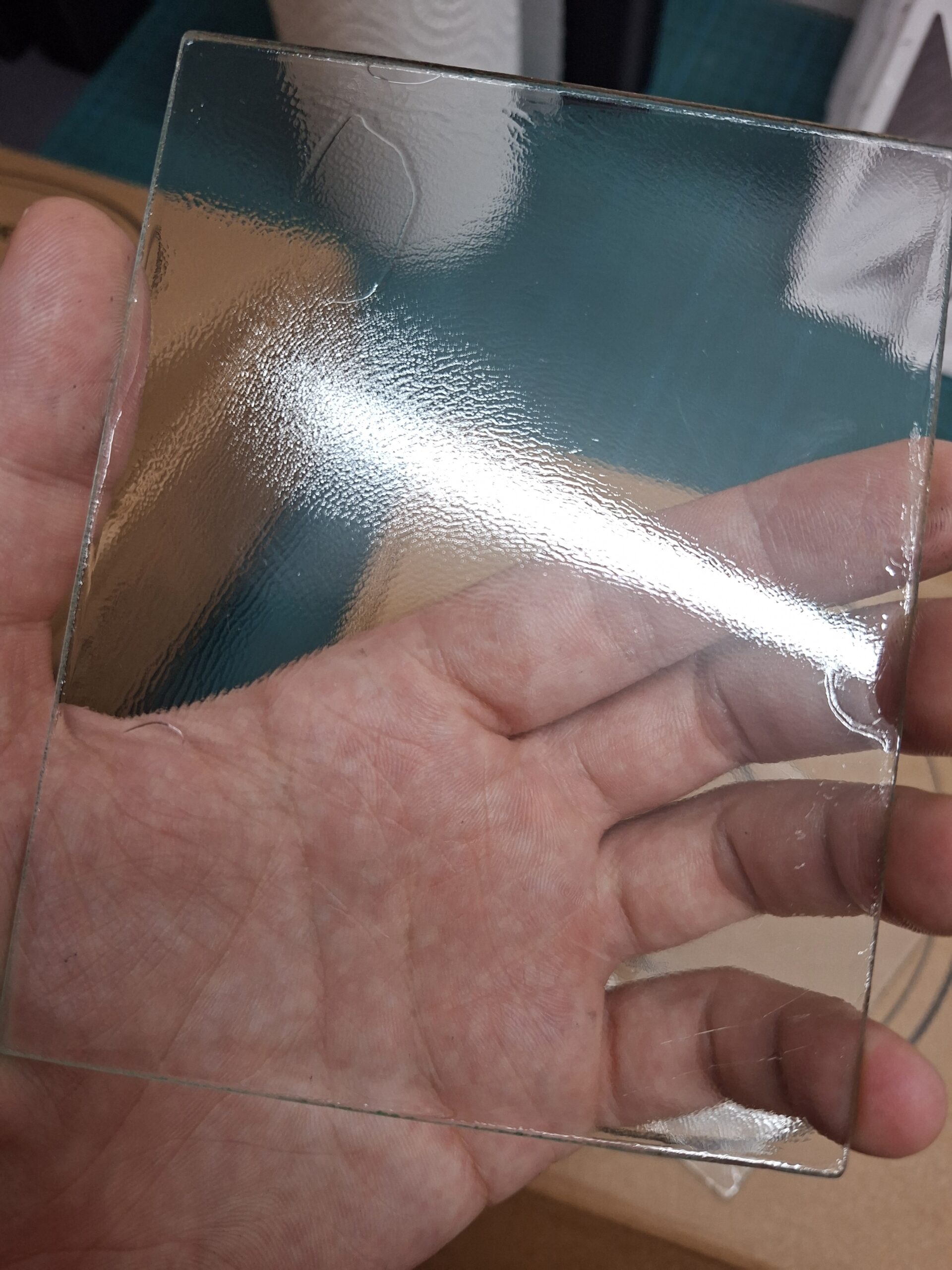
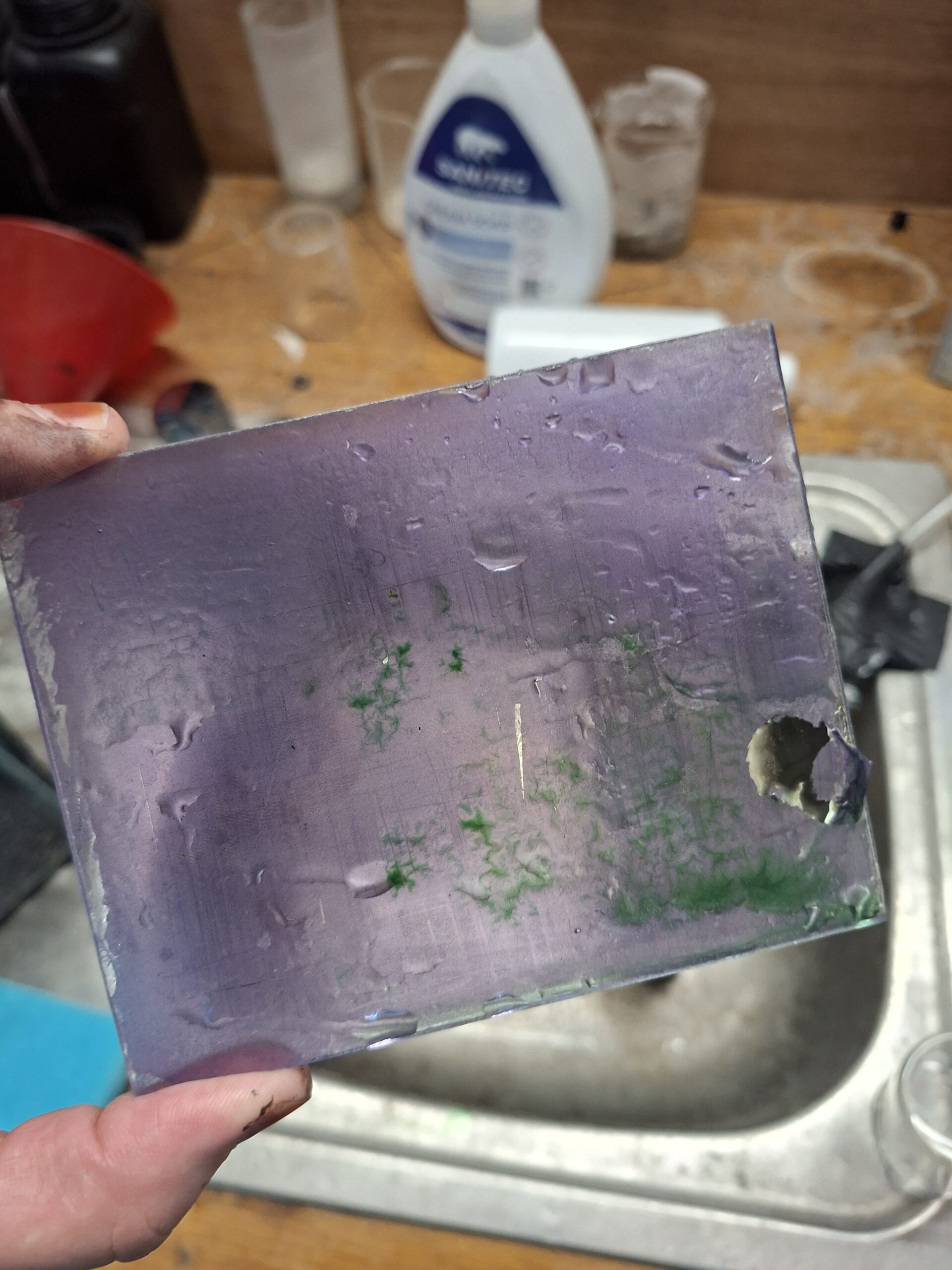
And yet, despite all of this, there are moments where it works.
Not reliably.
Not predictably.
But enough to suggest that the system, as fragile as it is, can still be coaxed into alignment.
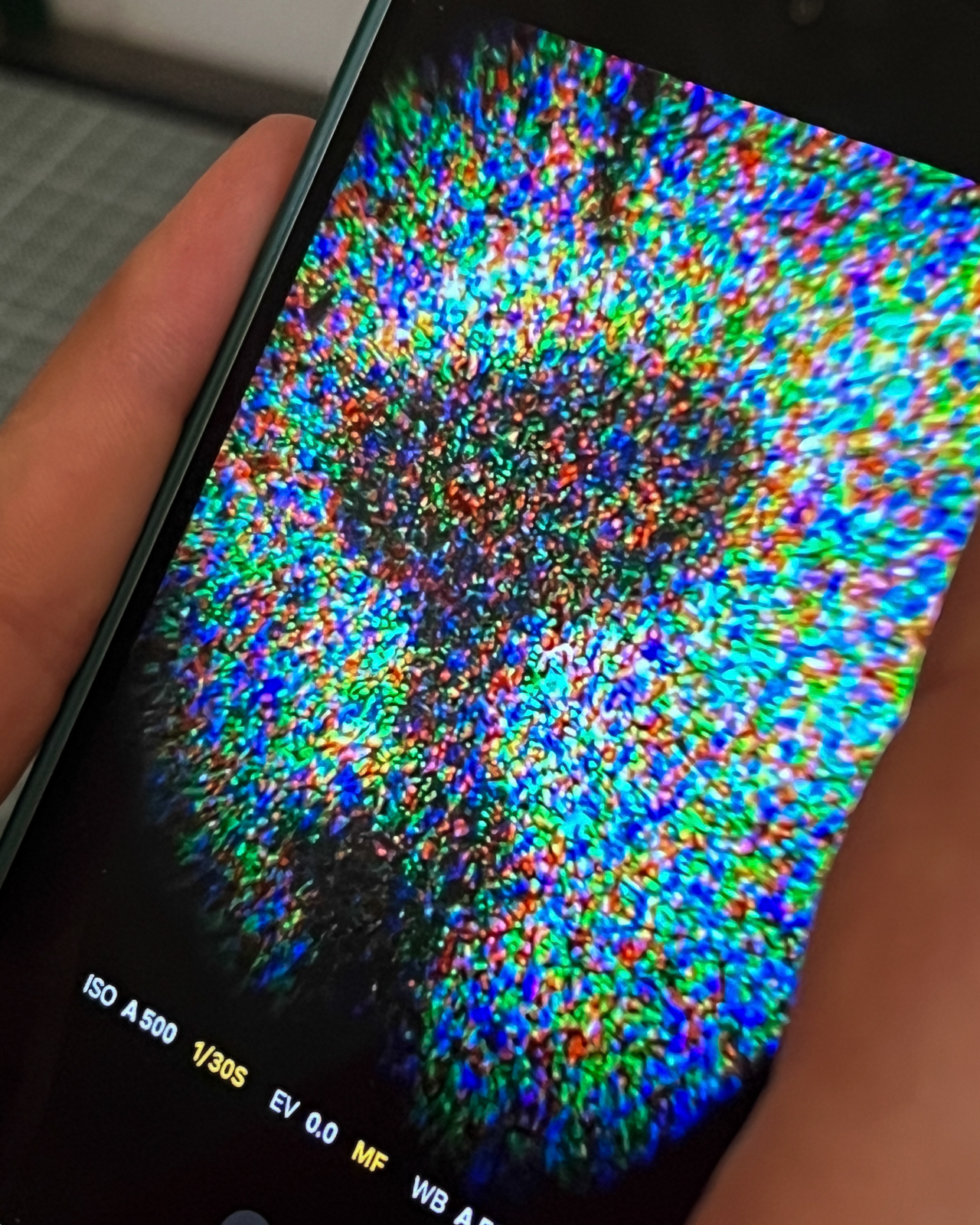
Color appears, not as a uniform field, but as a living structure.
Soft, granular, almost pointillistic.
It does not resemble modern color photography. It feels closer to light passing through matter than being recorded by it.
So, are Zebra Autochrome Plates finally ready?
Not quite. At least, not today. Because if you have read this as an announcement, this is the point where we should clarify.
This post began as an April Fools joke, but only in part!
But the intention behind it is not a joke.
Autochrome is a process that deserves to be treated with respect.
Not only for its historical significance, but for the level of precision, patience, and understanding it demands.
Everything described above, the challenges, the materials, the failures, and the occasional successes, is real.
The images, the tests, the iterations, these are all part of ongoing work that has been developing quietly over the years.
What is not real, yet, is the idea that this process is ready to leave the workshop.
The truth is simpler.
We are getting closer.
Not through a single breakthrough, but through accumulation, small improvements, incremental understanding, and a growing sense of where the limits truly are.
For the first time, it feels less like a historical curiosity, and more like a direction worth continuing.
📬 Follow the Process
If you would like to follow this journey as it develops, or be notified when these plates are eventually ready for release, we will be sharing further experiments, technical notes, and occasional breakthroughs along the way.
Because if, and when, this finally comes together,
it will not just be a new product. It will be the return of something that was believed impossible for over a 100 years!