




AUTOCHROME, EMULSION, Zebra Dry Plates

First Reverse Processed Zebra Autochromes – A Small Step Closer to Magical Colour Photography

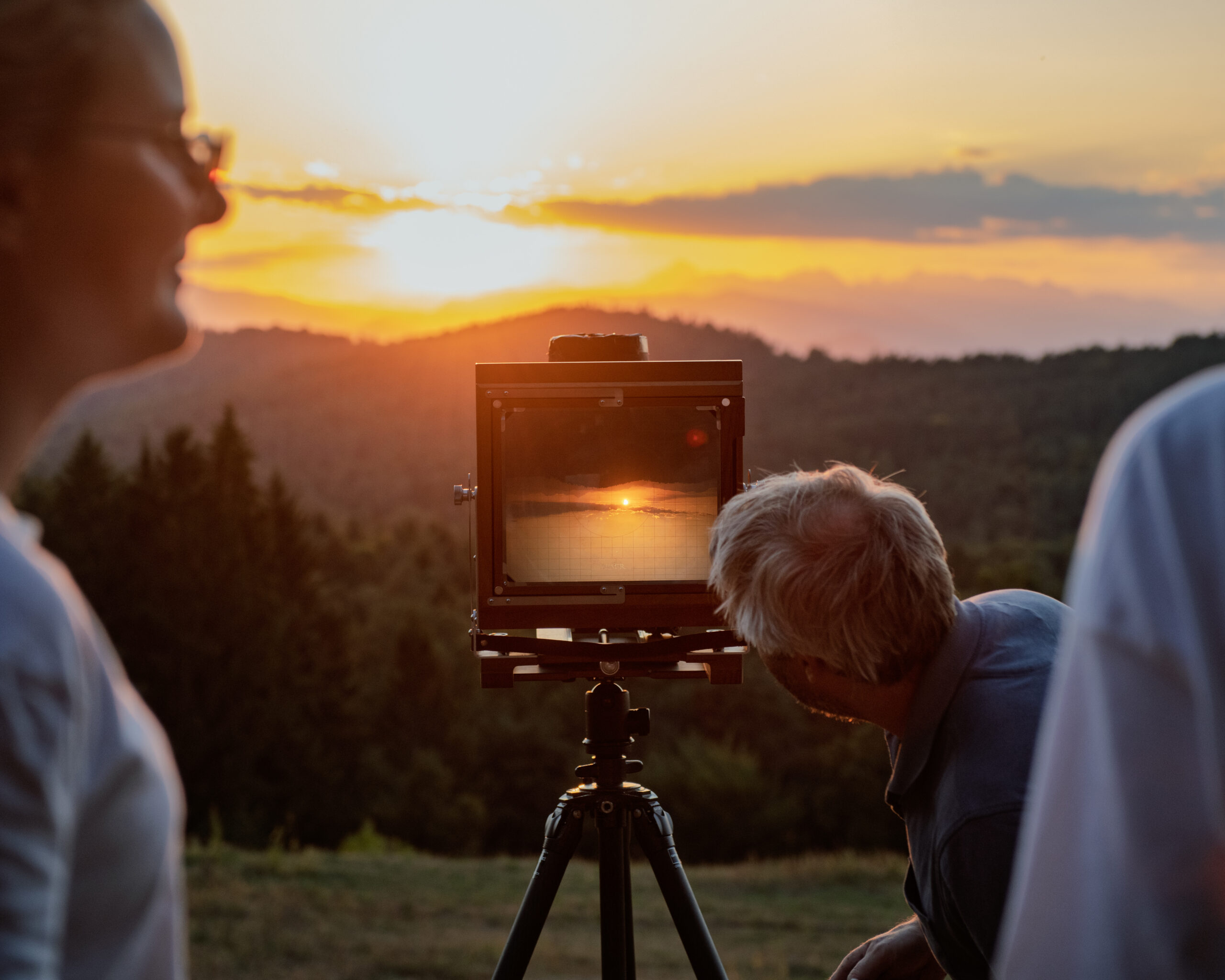
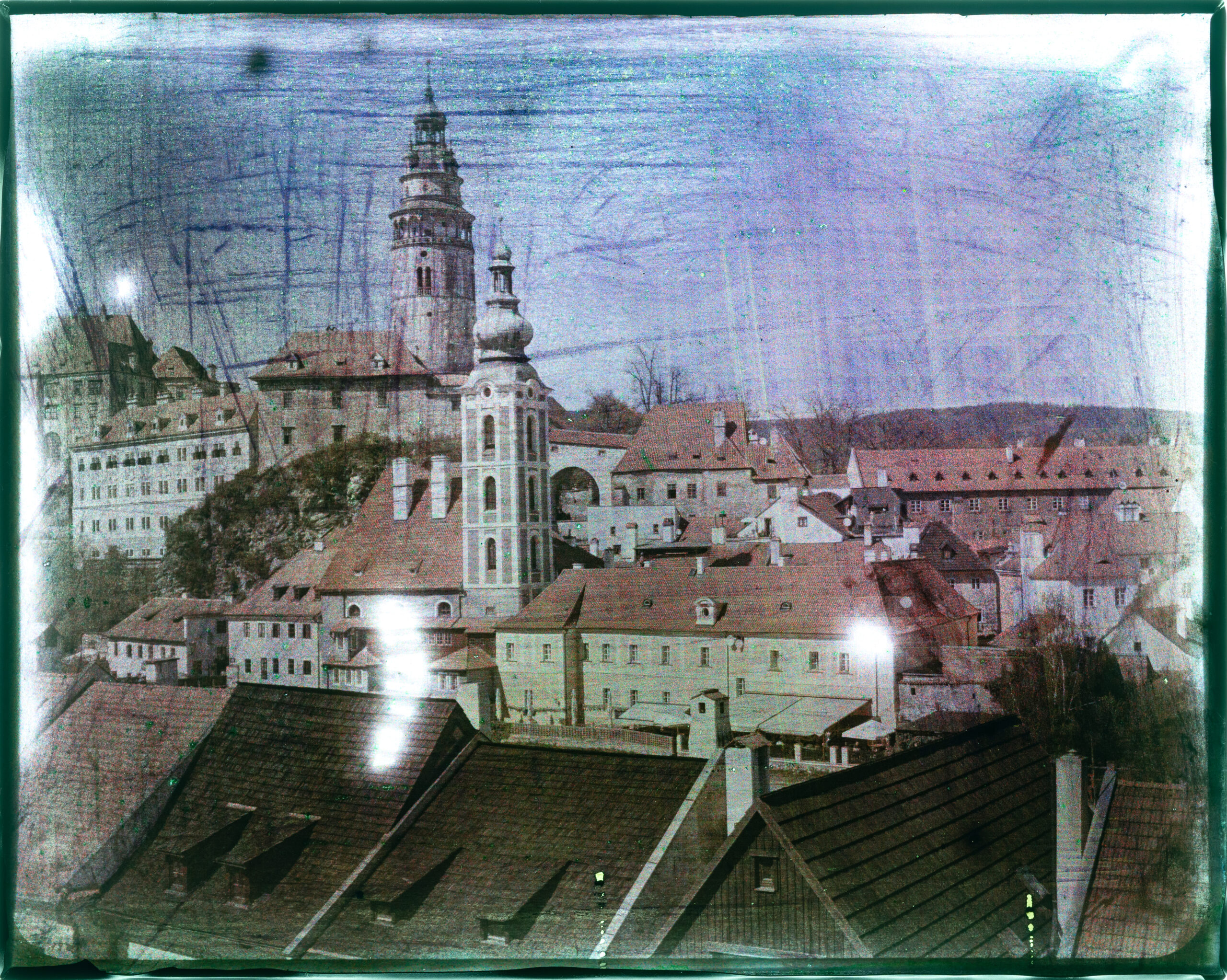
Over the last few weeks we have been quietly experimenting with something that has completely captivated us: reverse processed Autochrome plates. And finally… we have our first successful results. The images were taken during a recent trip through the Czech Republic, and seeing those tiny glowing colors appear for the very first time on glass has honestly been a magical experience. Even in these early stages, the plates already possess that unmistakable Autochrome atmosphere soft light, luminous color, and a depth that feels almost impossible to reproduce digitally. What makes them especially exciting is that these are not scans or digitally inverted negatives....
Continue reading
DARKROOM CHEMISTRY, KICKSTARTER, Uncategorized, Zebra Dry Plates

The Zebra Daylight Developing Tanks a Almost Here

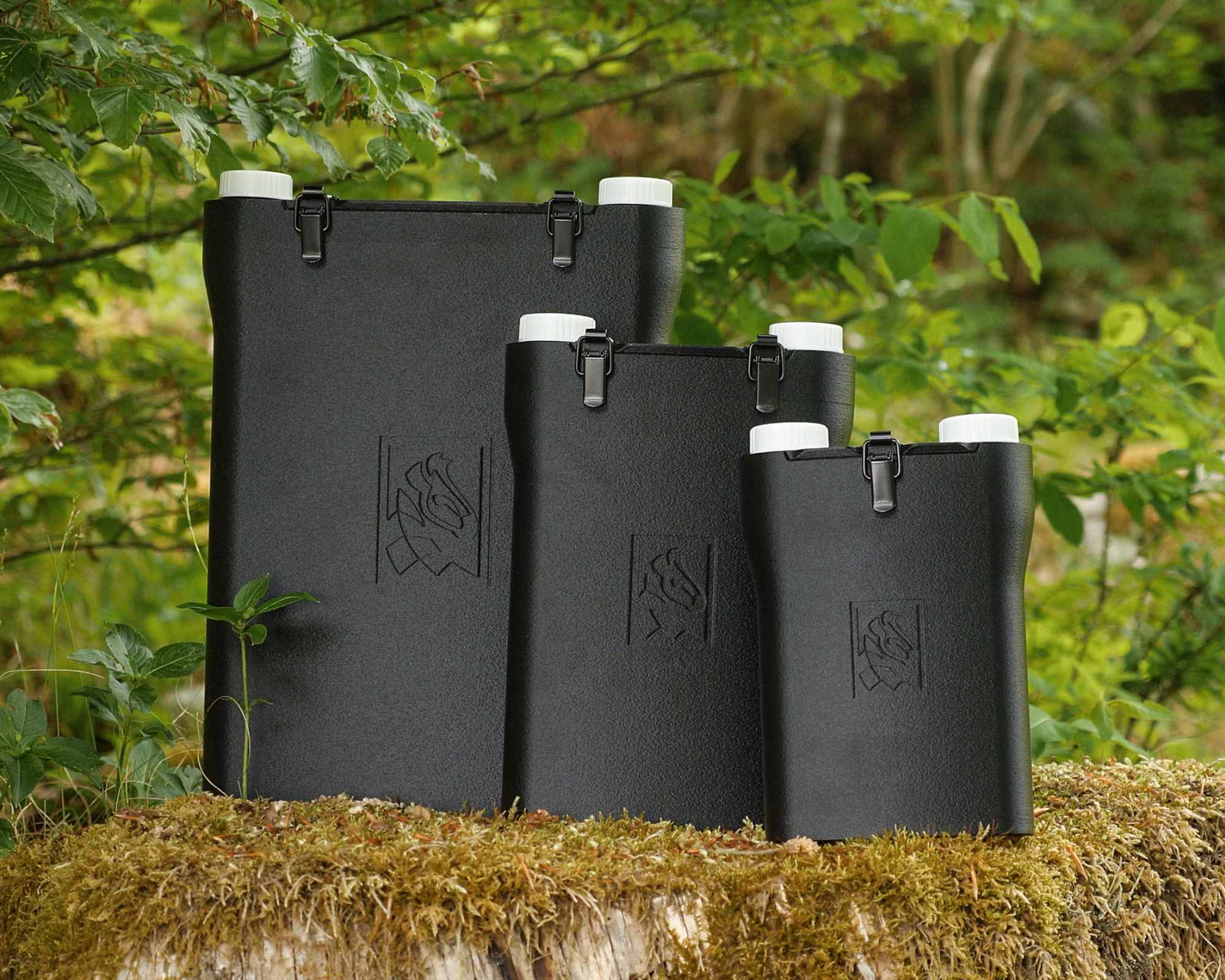
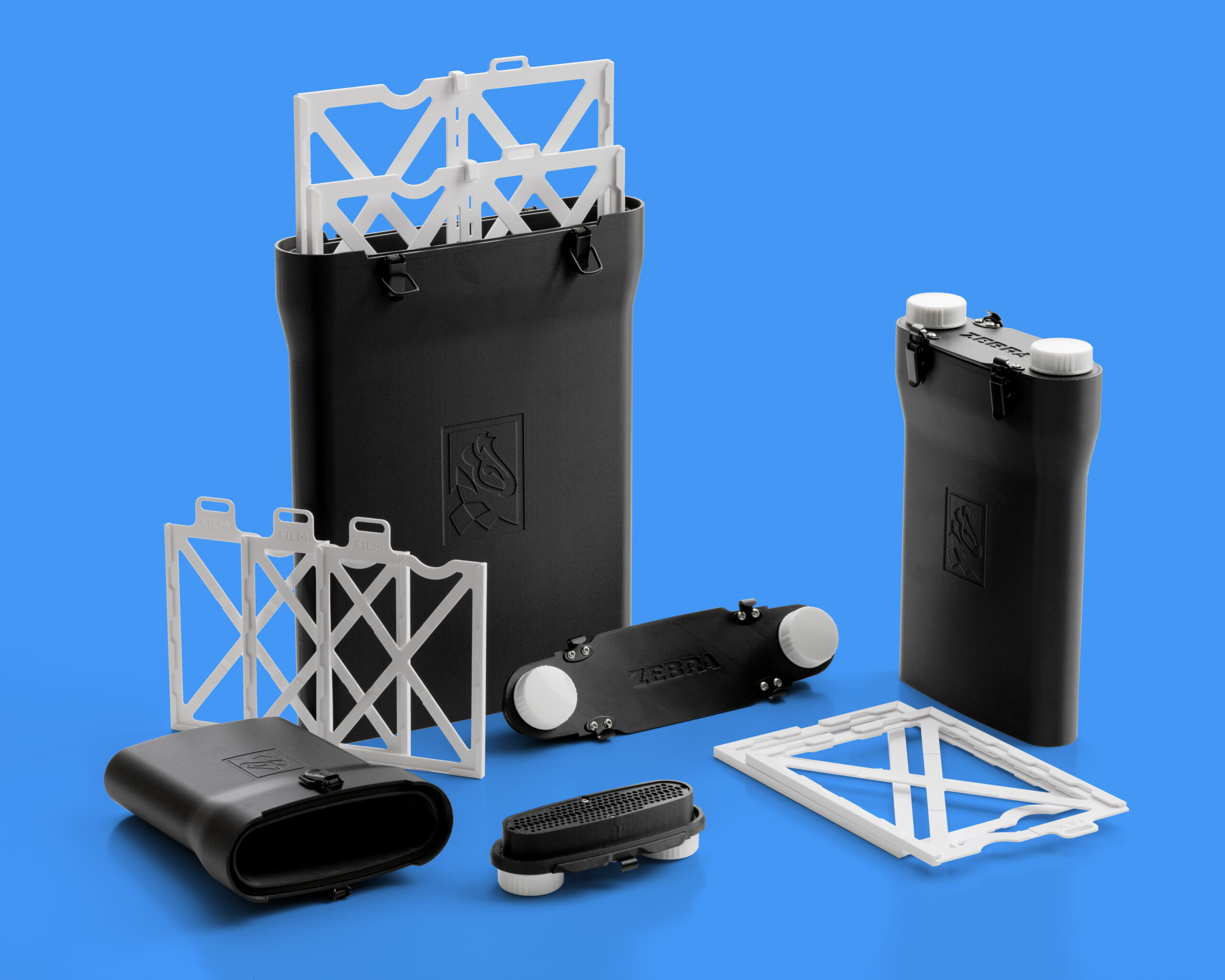
From Kickstarter Success to Full Release Not long ago, the Zebra Daylight Developing Tank existed only as an idea. A simple but ambitious goal: to create a system that would make large format film and plate processing easier, more flexible, and accessible without the need for a traditional darkroom setup. When we launched the project on Kickstarter, we didn’t fully know what to expect. What followed exceeded everything we imagined. The campaign quickly gained momentum, reaching its goal and continuing far beyond it. What mattered even more than the numbers, though, was the response from the community. Photographers, alternative process enthusiasts, and large format users...
Continue reading
DARKROOM CHEMISTRY, Zebra Dry Plates

Brighter Whites & Balanced Tones – A New Chapter for Direct Dry Plate Positives!

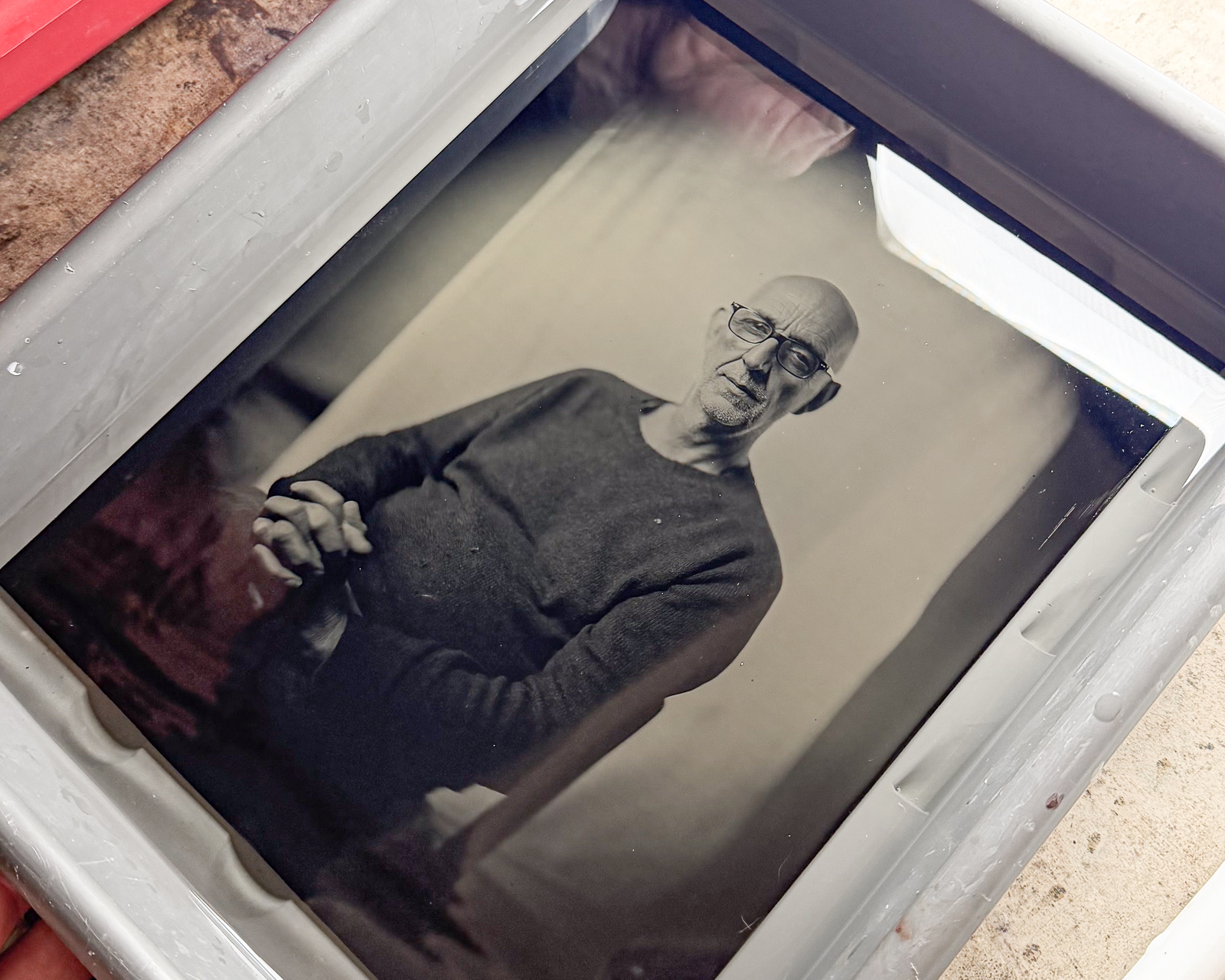
There’s something incredibly satisfying about finally seeing clean, neutral and bright positives appear on the plate in fixer exactly the way you imagined them. If you’ve worked with direct dry plate positives for any length of time, you’ll know that this has always been one of the most elusive parts of the process. Not sharpness, not contrast, but white balance  that delicate, silvery neutrality that gives a tintype its unmistakable presence. And this is exactly where things have just taken a big step forward. Tested Where It Matters In Real Workshops Over the past months, I’ve had the chance to test a new complexing agent not just...
Continue reading
AUTOCHROME, Uncategorized

The First Complete Zebra Autochrome Plate!

Following our April Fools’ joke this time, it’s real! There is a moment in every long process where separate experiments stop being isolated steps and begin to connect into something complete. For us, this was that moment. For the first time, we have successfully produced a complete Autochrome plate, bringing together all the individual layers into a single working system capable of forming an image. A colour screen, a panchromatic emulsion, and light passing through both are no longer separate variables, but parts of a unified structure that finally behaves as intended. What makes this stage particularly significant is not only that it...
Continue reading
AUTOCHROME, Uncategorized

Rebuilding Autochrome: Years of Chasing Color on Glass

For more than a century, the Autochrome process has remained one of the most elegant and elusive achievements in the history of photography. Not because it was ever practical.But because, against all odds, it worked at all. A surface composed of millions of microscopic dyed starch grains, acting as a random yet functional mosaic of color filters.Above it, a panchromatic silver gelatin emulsion, forced to resolve an image not directly, but through this fragile, imperfect screen. Light does not simply record an image here.It negotiates with the material. What emerges is not just a photograph, but a convergence of structure, probability, and compromise, balanced...
Continue reading
Uncategorized

Portraits that Last: Rachel Louise Brown and the Living Craft of Dry Plate Photography

In an age where billions of images are created and forgotten every day, the physical photograph carries a different weight. A handcrafted plate made through chemistry, metal, light, and patience becomes something else entirely. It becomes an object that holds time. This is precisely the territory in which photographer Rachel Louise Brown works. Based in the UK, Brown has developed a remarkable contemporary portrait practice rooted in one of photography’s earliest techniques, tintype photography. Using Zebra Dry Plate Tintypes, she has been creating intimate, tactile portraits of artists, actors, and cultural figures, bringing a nineteenth century process into the heart of...
Continue reading
Uncategorized

The Hidden Alchemy of Film / Plate Photography

At first glance, black-and-white photography feels simple. Light enters a camera, a plate or film is exposed, and in the darkroom an image slowly appears. But beneath that simplicity lies one of the most refined chemical systems ever developed, a process in which light quite literally rearranges atoms of metal. Every traditional black-and-white photographic plate, sheet film, roll film, and darkroom paper begins with the same essential structure: microscopic crystals of silver halide suspended in gelatin. These crystals are compounds formed between silver and halogen elements, most commonly bromine, sometimes chlorine or iodine. The result is silver bromide, silver chloride, or...
Continue reading
Uncategorized

Retouching Glass Plate Negatives & Dry Plate Lecture at University of Udine

Why Sharing Dry Plate Knowledge Matters Not long ago, I was invited by the Fotonomia Association to visit the University of Udine and give a class on making dry plates. It felt especially meaningful, because in the past few years I have been deeply immersed in building the business and rarely had the chance to travel and share dry plate photography through in person classes. Most of my energy went into private workshops in Slovenia, creating videos, writing blogs, developing user manuals, and refining the tools themselves. For me, dry plate photography is not just a technique. It is a responsibility to...
Continue reading
DARKROOM BUILD, EMULSION, Uncategorized, Zebra Dry Plates

Making History: The New Chapter of Dry Plate Photography

For over a century, dry plate photography has lived in a space between science and craft , between chemistry, light, patience, and human hands. It has always been a medium shaped by care, slowness, and deep technical knowledge, preserved by small communities and individual makers who refused to let it disappear. Zebra Dry Plates was born from that same tradition: hand-mixed emulsions, manual coating, slow production, and a deep respect for historical photographic processes. For years, every plate we produced was hand coated, one by one, following techniques that connect directly back to 19th‑century photographic practice. Tradition is not something that...
Continue reading
DARKROOM CHEMISTRY, EMULSION, PRINTING PROCESSES, Zebra Dry Plates

Beautiful glass Ambrotypes without a camera?! A complete Guide to Contact Printing positives on glass (VIDEO)

This project started with a simple but meaningful intention: to create deeply personal Christmas gifts from photographs that already existed. Instead of making new images with a camera, we chose to translate old family photographs onto glass, creating ambrotype-style positives using Zebra glass dry plates. What makes this process special is that no camera is used at any stage. The image is recreated entirely through scanning, tonal preparation, contact printing, chemistry, and optics. It is a slow, deliberate process rooted in 19th-century photographic principles, adapted carefully for modern materials. Below is the full, exact workflow we used.   What You need to Get Started Source...
Continue reading