










Portraits that Last: Rachel Louise Brown and the Living Craft of Dry Plate Photography


In an age where billions of images are created and forgotten every day, the physical photograph carries a different weight. A handcrafted plate made through chemistry, metal, light, and patience becomes something else entirely. It becomes an object that holds time.
This is precisely the territory in which photographer Rachel Louise Brown works. Based in the UK, Brown has developed a remarkable contemporary portrait practice rooted in one of photography’s earliest techniques, tintype photography. Using Zebra Dry Plate Tintypes, she has been creating intimate, tactile portraits of artists, actors, and cultural figures, bringing a nineteenth century process into the heart of today’s creative world.
Her work moves fluidly between editorial photography, cultural institutions, and artistic portraiture. Through carefully constructed portraits and thoughtful use of historic processes, she explores how photographic images can feel both contemporary and timeless.
Her latest project, commissioned for the gala of the National Portrait Gallery, beautifully demonstrates how historic photographic techniques can remain deeply relevant today.

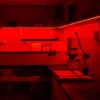
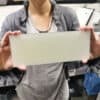
Rachel Louise Brown in the darkroom (photographer: Manas Godara)
A Historic Process for Contemporary Icons
For the 2026 National Portrait Gallery gala, Brown was invited to create tintype portraits of members of the gala committee and guests. The portraits were made as part of an immersive experience celebrating portraiture and the legacy of photography.
The idea behind the project was simple yet powerful. Instead of producing digital images that circulate endlessly online, guests would receive a permanent object, a handmade tintype portrait. Something they could hold, keep, and pass on.
Each sitter approached the process differently. Some were photographed at the gallery itself, others in their own spaces, and some will sit for their portraits during the gala evening. The resulting plates portray cultural figures such as artists, actors, writers, and curators in a way that feels intimate and timeless.


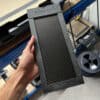
BTS by Rachel Louise Brown
Brown describes the process as an antidote to the disposable nature of modern imagery. At a time when the truth of photographs is increasingly questioned, the tactile and handcrafted nature of tintype photography brings the medium back to something physical and honest.
And that is exactly what makes tintypes so powerful.
Rachel Louise Brown: Portraiture with Presence
Rachel Louise Brown’s practice sits at the intersection of editorial portraiture, contemporary art, and historical photographic craft.
Working regularly with major publications and cultural institutions, she has photographed an impressive range of figures from the worlds of film, literature, art, and fashion. Yet despite the modern context of her work, her process deliberately slows things down.
Tintype portraiture requires collaboration between photographer and subject. The sitter must remain still. The photographer must carefully prepare the plate, expose it, and develop it immediately. Every plate is unique and every result slightly unpredictable.
For Rachel, this is part of the magic.
Rather than producing hundreds of frames, the process encourages focus and presence. Sitters often approach the portrait session thoughtfully, considering how they wish to be represented. The result is an image that feels intentional rather than incidental.
The finished tintype is not simply a photograph. It is an artefact.
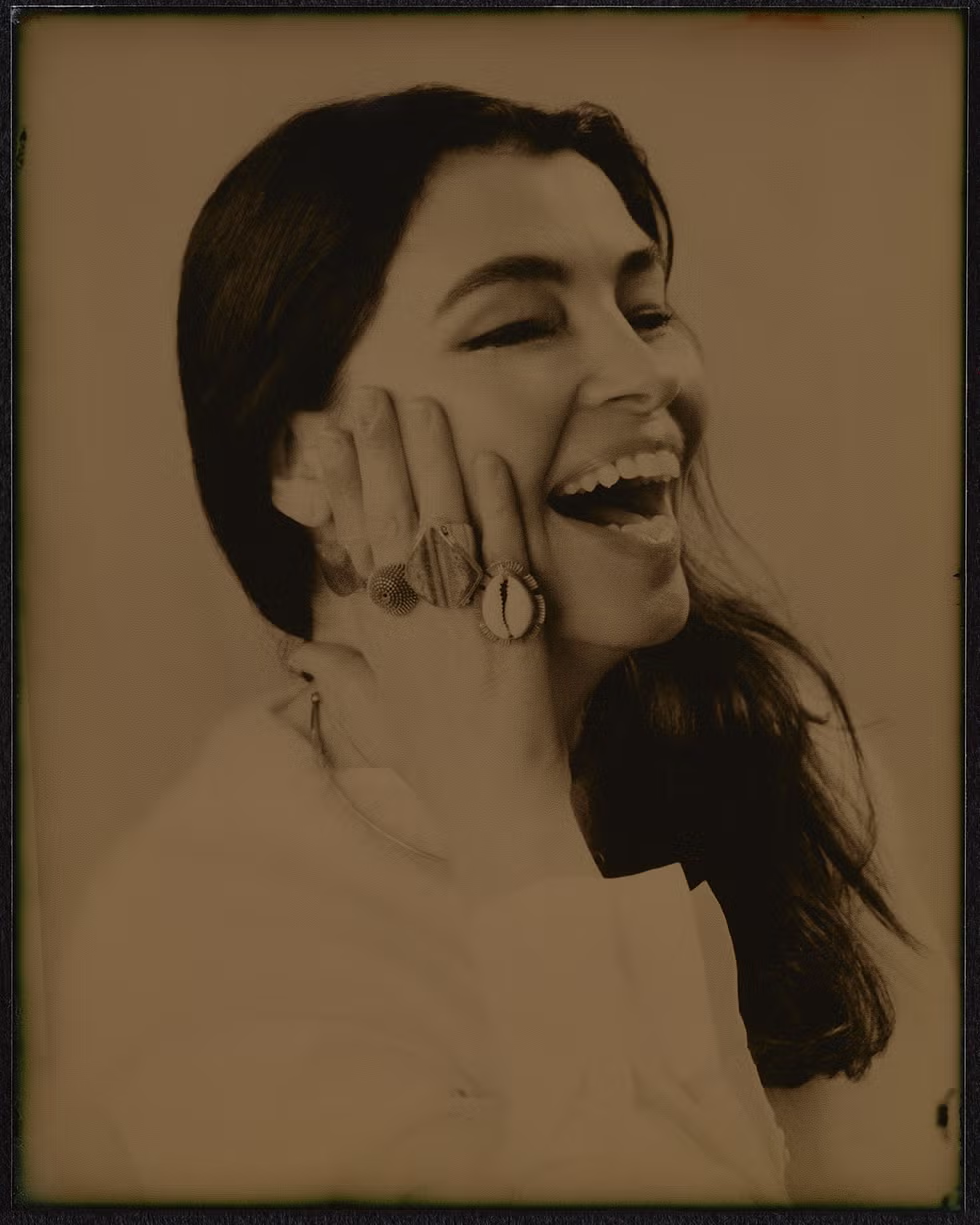

Rachel Louise Brown
Our Collaboration: Bringing Dry Plate Tintypes into the Studio
At Zebra, our mission has always been to revive historical photographic techniques while making them accessible to contemporary photographers and artists.
Rachel’s work perfectly embodies this idea.
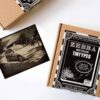
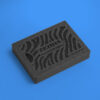
Through our collaboration, she has been using Zebra Dry Plate Tintypes to produce her portraits. Unlike traditional wet plate tintypes that must be coated and developed immediately in the field, Zebra Dry Plate Tintypes provide artists with a ready to use plate that retains the distinctive look of historic tintype photography while offering greater flexibility for studio and event work.
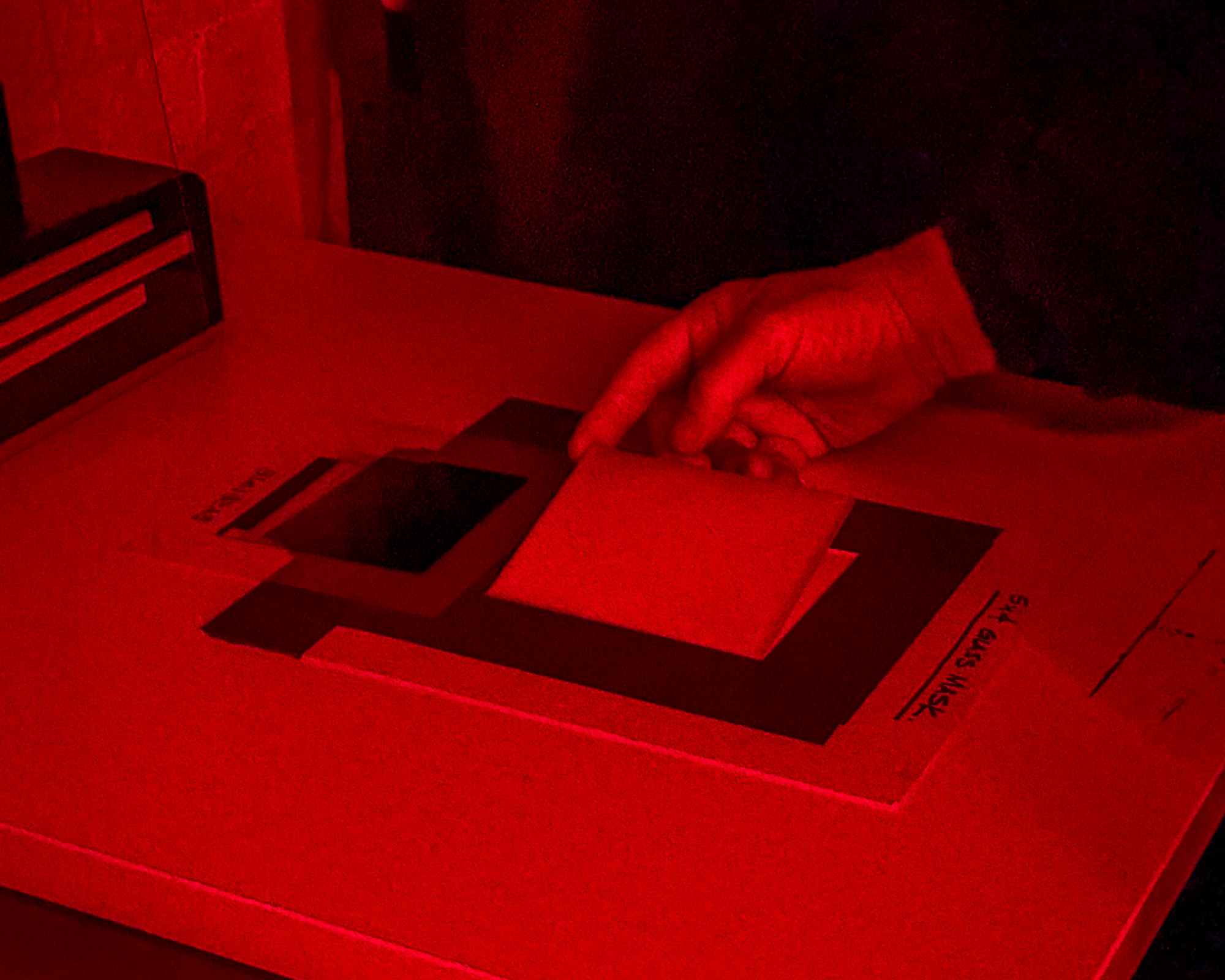

This allows photographers like Rachel (Instagram) to bring tintype portraiture into environments where the classic wet plate workflow would be impractical, from editorial studios to cultural events and large gatherings.
The plates maintain the characteristic qualities that make tintypes so compelling:
• deep blacks and luminous highlights
• subtle surface texture
• a physical presence that digital images simply cannot replicate
• and the knowledge that every plate is completely unique
For portraiture, this uniqueness is essential. No two sitters receive the same image. Each plate is an individual object created in a specific moment.

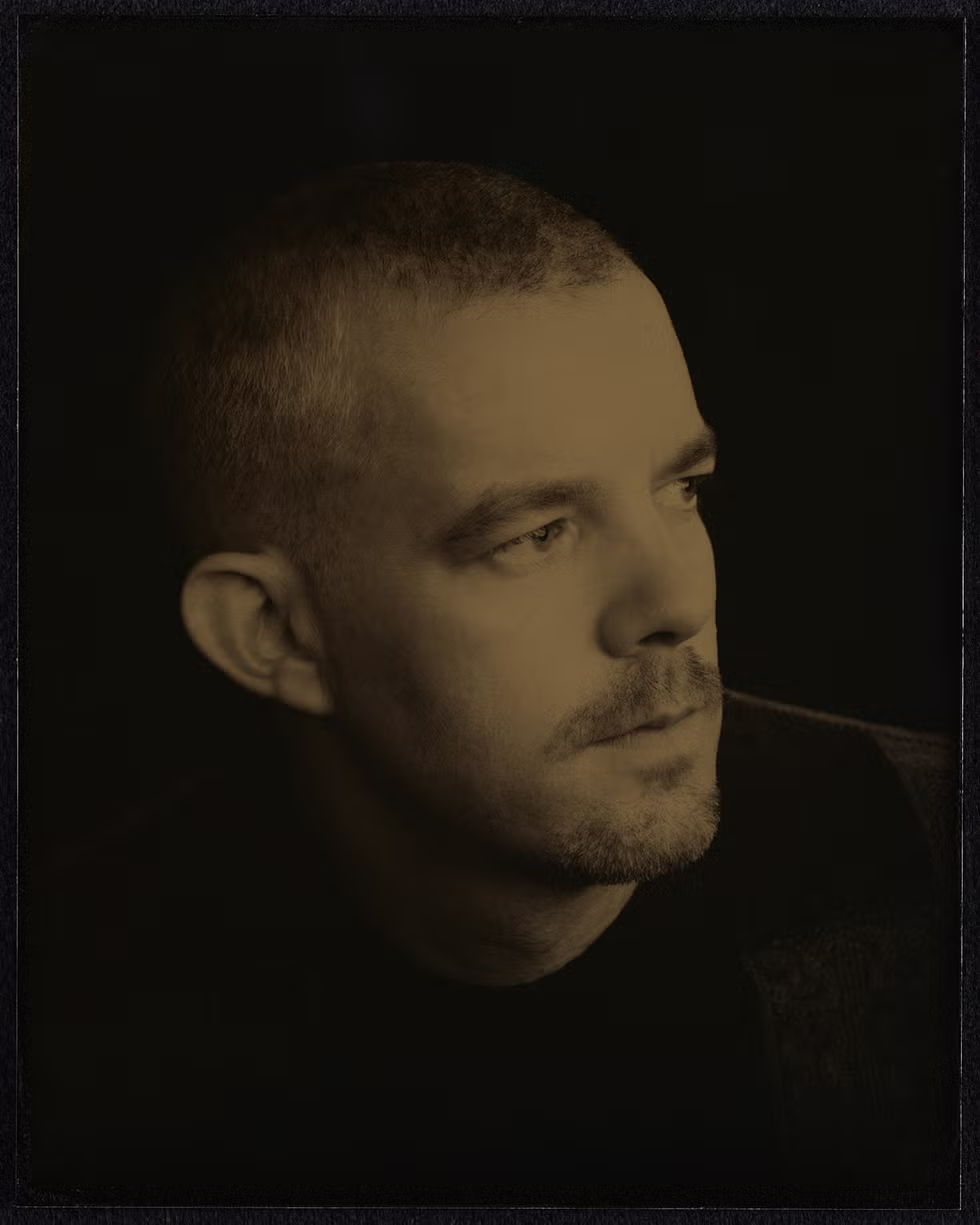
Rachel Louise Brown
Tintypes in the Contemporary Art World
What Rachel Louise Brown’s work demonstrates so clearly is that historic processes are not simply nostalgic curiosities.
They remain powerful creative tools.
In her portraits of actors, artists, writers, and cultural figures, the tintype becomes a bridge between centuries. The process connects modern subjects to the earliest traditions of portrait photography, when sitting for a photograph was a deliberate and memorable event.
At the same time, the visual language of tintypes, raw, direct, and material, fits naturally into contemporary art and editorial photography.
This is why we increasingly see artists adopting dry plates for projects that range from gallery exhibitions to fashion editorials and cultural events.
The craft itself becomes part of the story.

Rachel Louise Brown
Looking Forward
Projects like the National Portrait Gallery gala remind us that photography is not only about images. It is also about objects, process, and memory.
Rachel Louise Brown’s portraits capture that idea beautifully. Each tintype she creates is not just a representation of a person, but a physical trace of the moment in which the portrait was made.
For us at Zebra, it is incredibly inspiring to see artists using our plates in such thoughtful and ambitious ways.
They show that historic photographic craft still has a powerful place in contemporary visual culture. Not as a relic of the past, but as a living, evolving medium.
And perhaps that is the most exciting part. These plates are only the beginning of what artists will continue to create with them.