







How We Built a Giant 24×35″ Wet Plate Collodion Equipment

Every Project Starts with an Idea
Over the years, we have built just about everything in the Zebra workshop. From tiny custom camera accessories and plate holders to some of the largest wet plate equipment currently being used by photographers around the world, every project has presented its own set of challenges. Most of them begin with a simple question from a customer, but every now and then someone comes along with an idea that immediately makes us stop, look at each other and think, this is going to be fun.
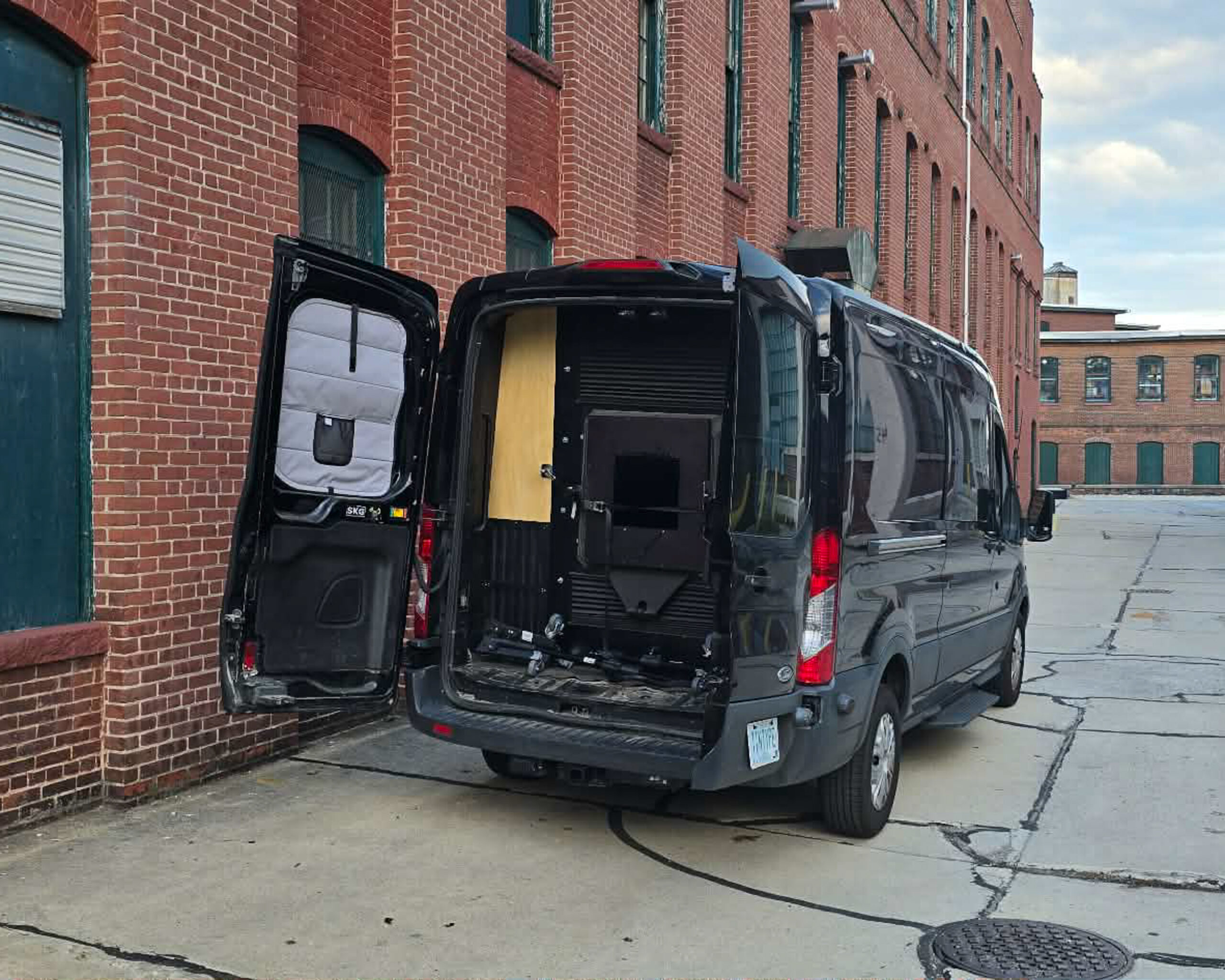
A few months ago we received an email from Richard, who was building something rather extraordinary: a travelling wet plate studio inside a van. His goal was to build a camera capable of producing 24×35 inch wet plate collodion photographs, allowing him to travel across the country while making some of the largest plates imaginable.
Naturally, our first question was how large he wanted to go.
His answer couldn’t have been simpler.
“I’ll make the plates as big as you can build the equipment for.”
That was all we needed to hear.
Building a Giant Plate Holder
Over the last year, we’ve spent countless hours refining one of our largest 3D printers. What started as an experiment has gradually evolved into a production machine capable of printing exceptionally detailed parts from UV- and heat-resistant carbon fibre PET-G. Getting to this point wasn’t simply a matter of pressing the print button. There were months of experimenting with materials, temperatures, cooling, layer heights and print strategies before we were finally happy enough to trust the machine with demanding customer projects.
This was exactly the kind of project we had been preparing it for.
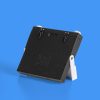
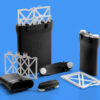
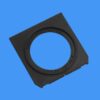
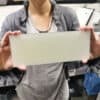
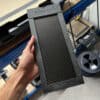
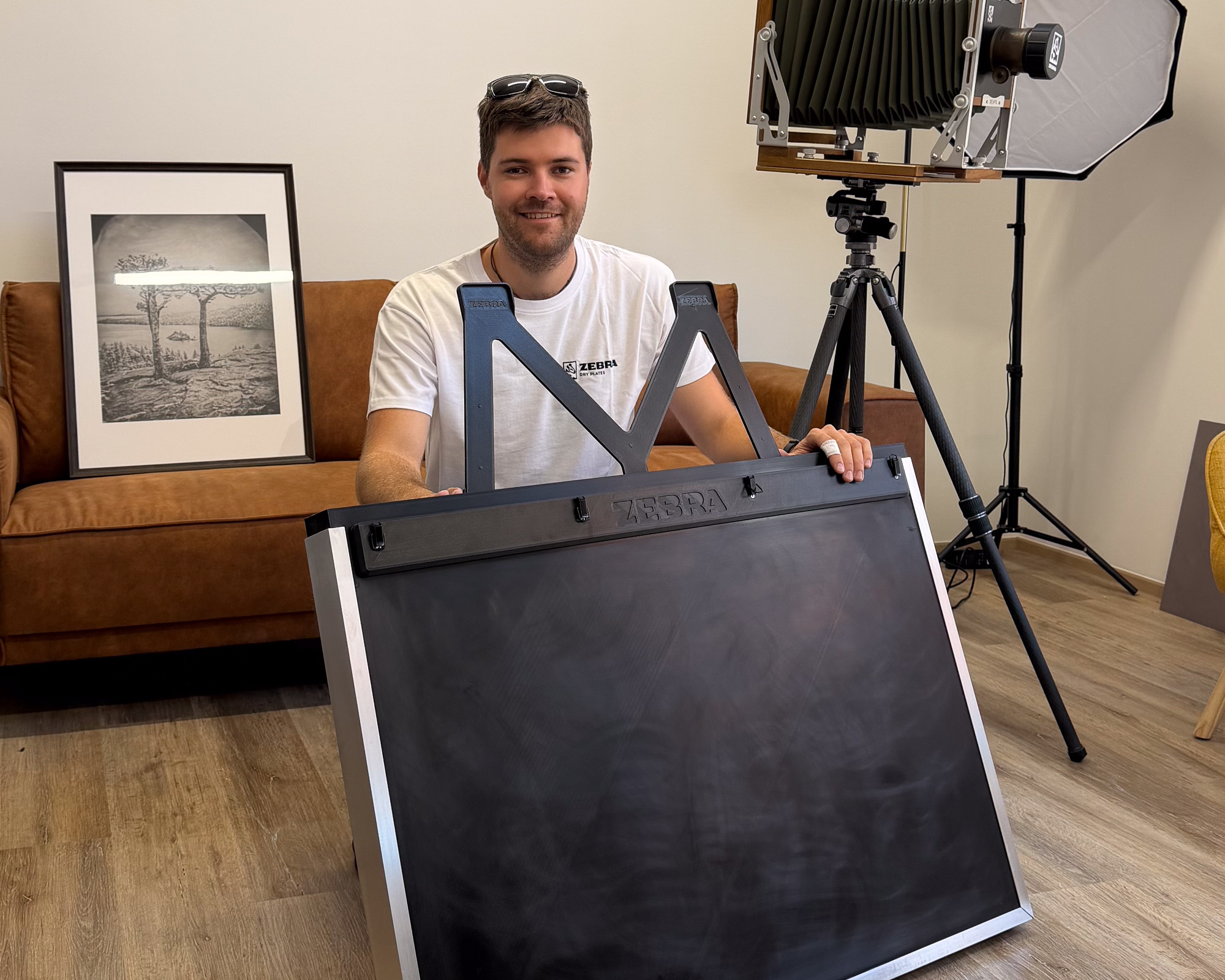
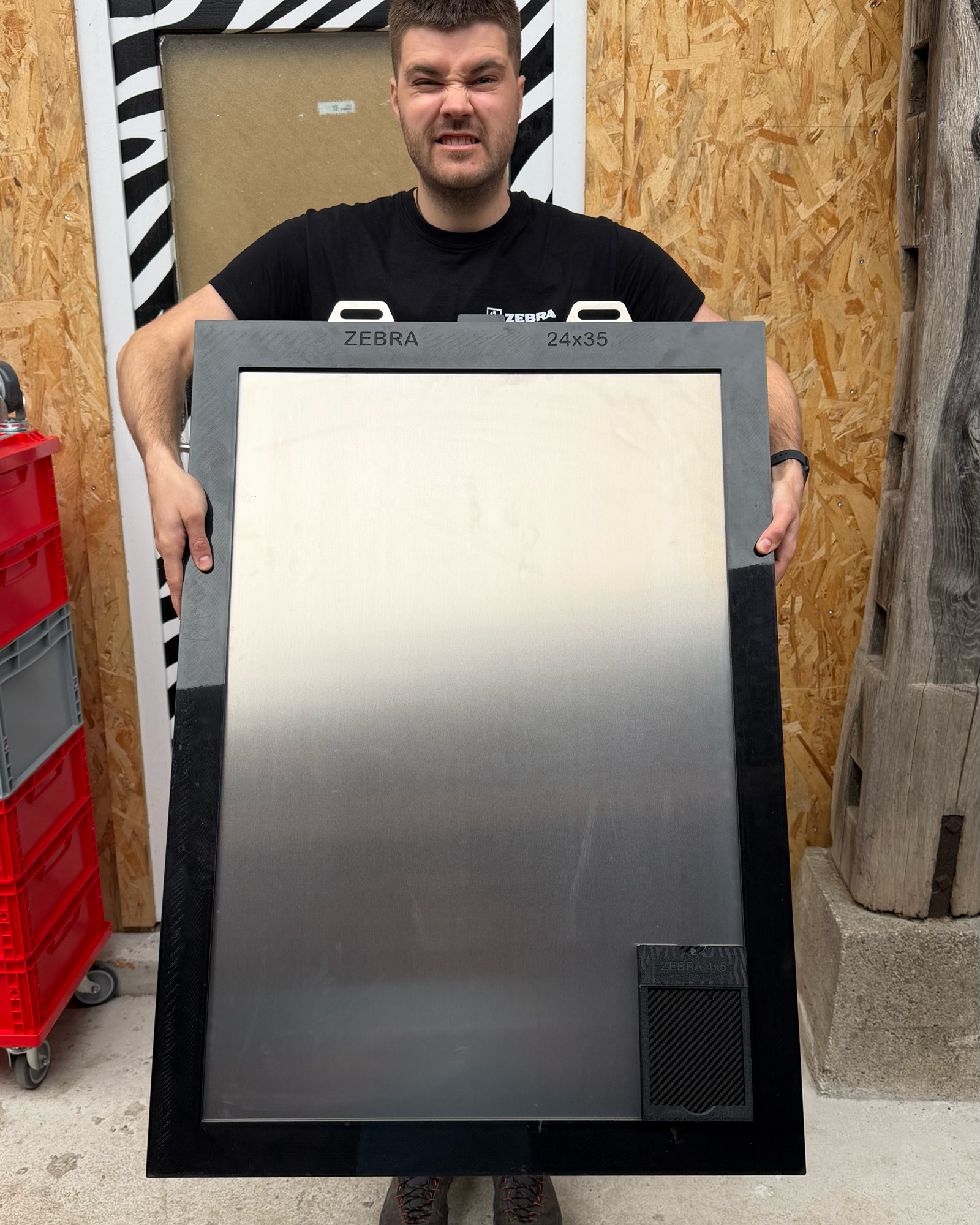
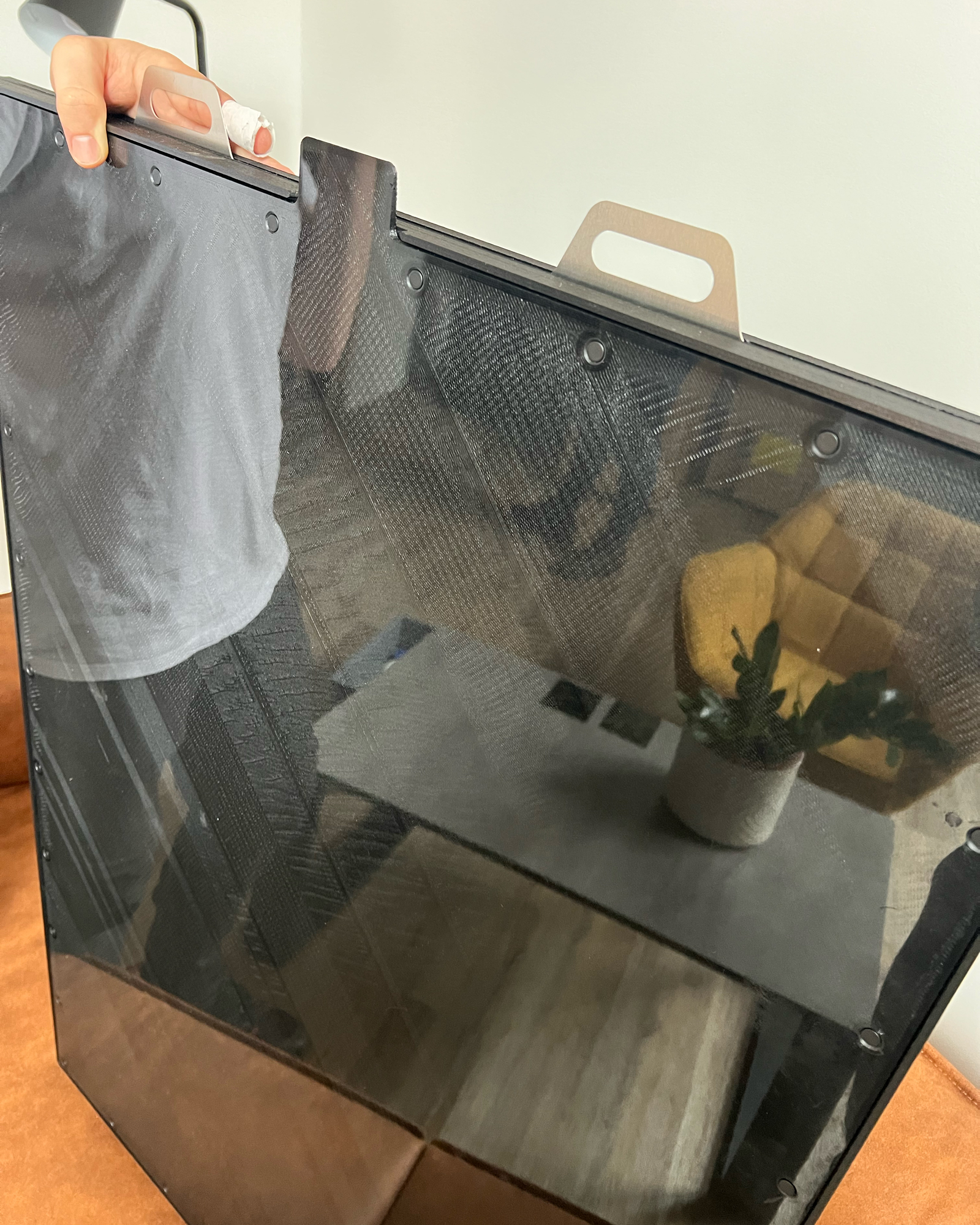
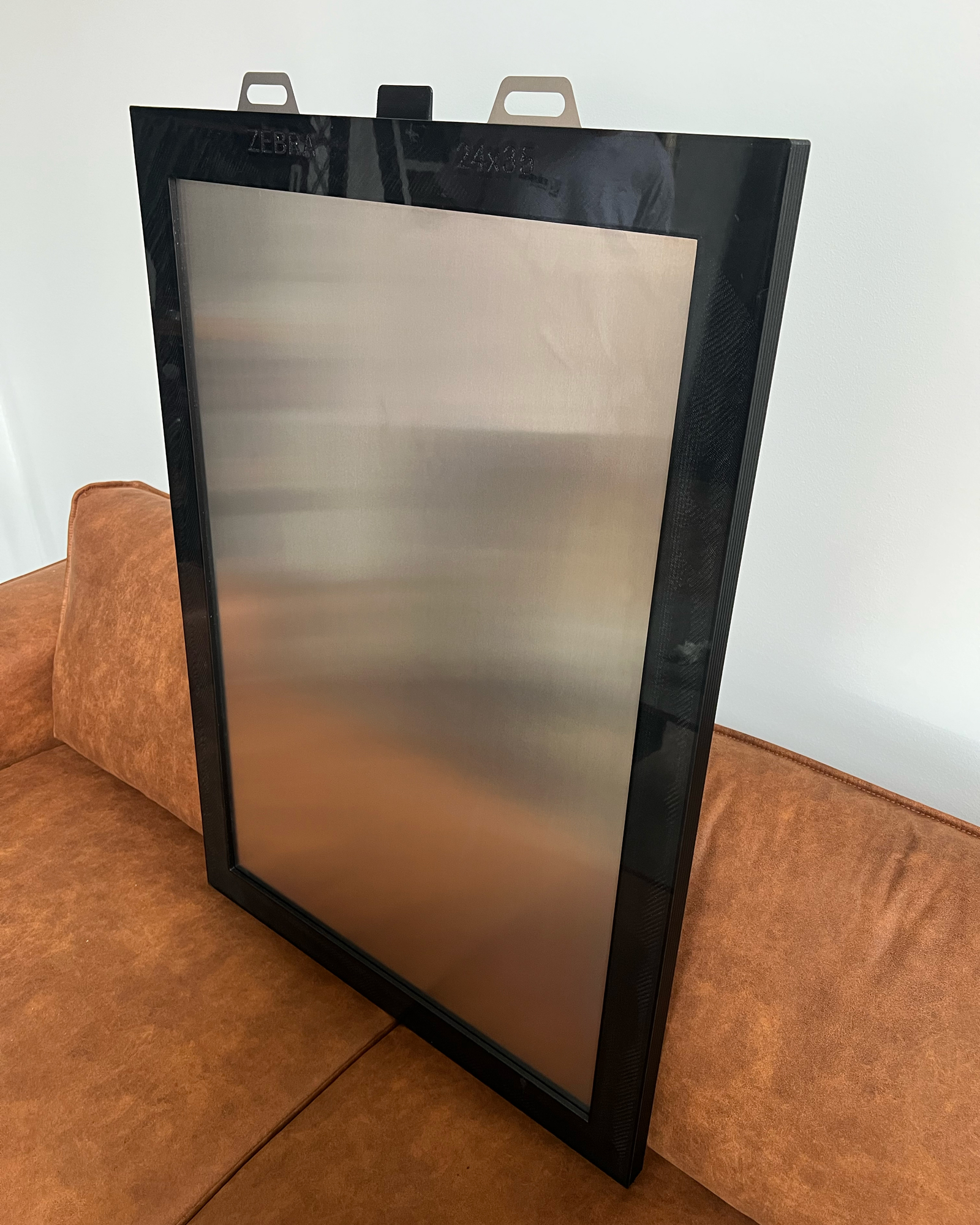
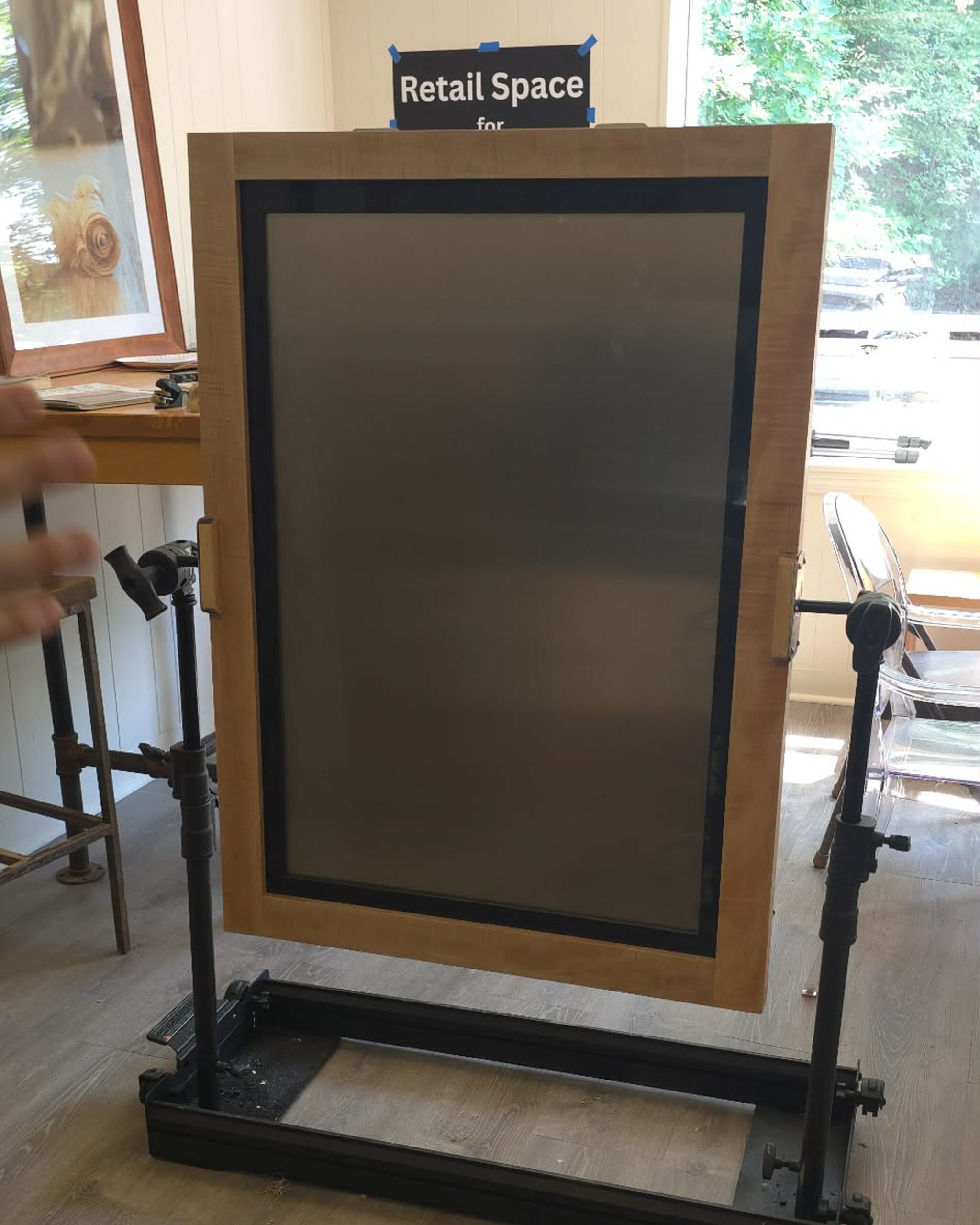
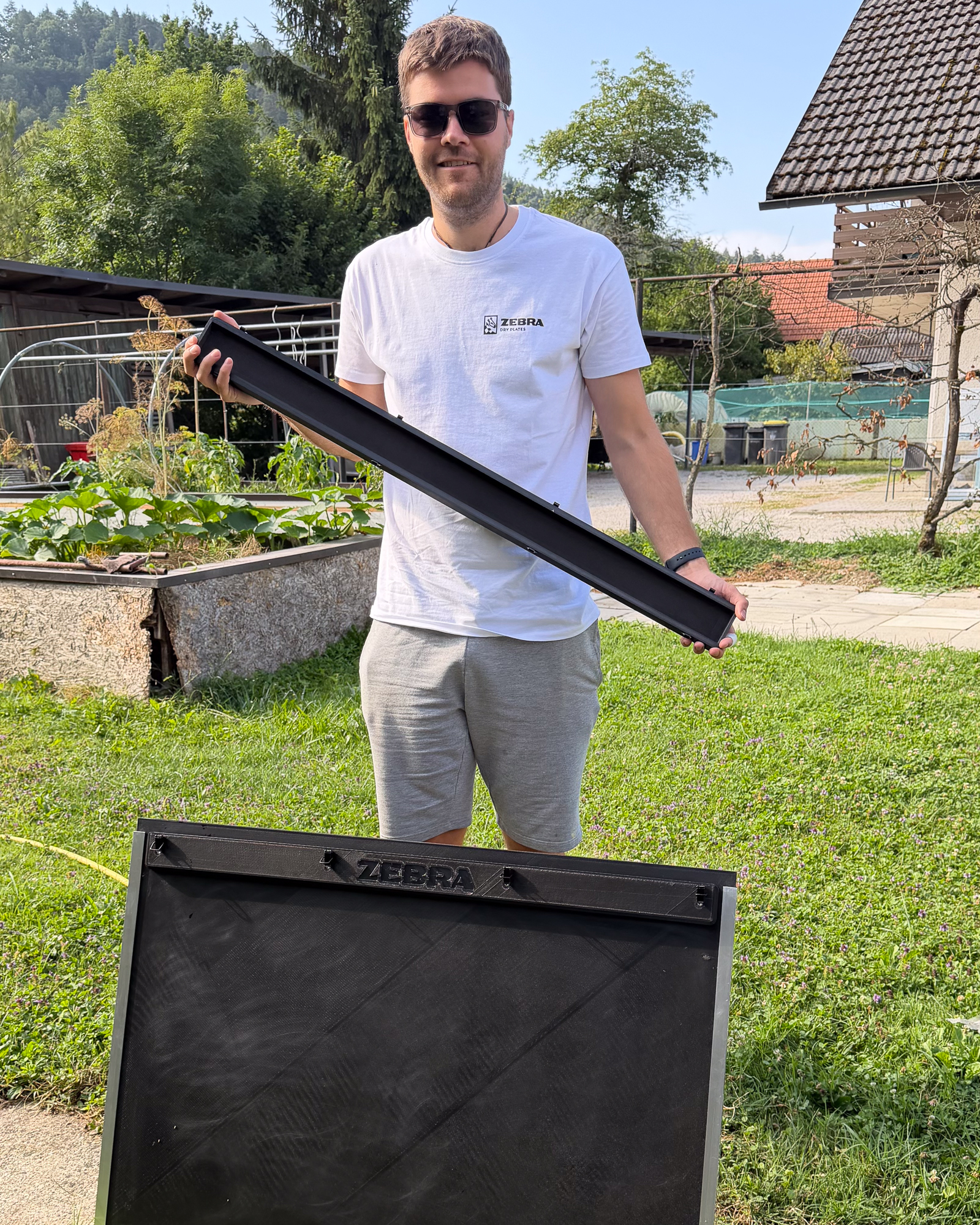
The first step was designing and manufacturing a 24×35 inch wet plate holder, together with a matching camera back that would become the foundation of Richard’s custom-built camera. Designing something this large is very different from simply scaling up an existing holder. Components behave differently, tolerances become increasingly important, and suddenly every small design decision is multiplied across an object almost a metre wide.
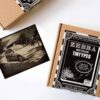
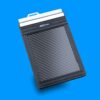
Despite its enormous size, we wanted the holder to feel completely familiar to anyone who had ever used a Zebra product. Every holder we manufacture uses the same magnetic rear-loading principle, and this giant version was no different. It loads exactly like a standard Zebra holder, just on an entirely different scale.
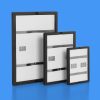
When we placed it next to one of our regular 4×5 holders for the first time, we couldn’t help but laugh. The smaller holder genuinely looked like a toy
Why We Love Custom Projects
Manufacturing equipment for photographers all over the world is something we truly enjoy, but projects like Richard’s bring a different kind of excitement to the workshop.
No two custom projects are ever the same. Every customer arrives with a unique idea, a different workflow and often a challenge that no commercially available equipment can solve. Our role is to listen carefully, understand exactly what they are trying to achieve and then turn those conversations into practical engineering solutions.
Ironically, bigger isn’t always harder. Sometimes large projects give you plenty of space to work with and the engineering becomes surprisingly straightforward. On other occasions it’s the tiniest accessories that become the greatest challenge. We once designed a holder for a modern compact camera where there was almost no material available to support the mechanism. Projects like that can take just as much thought as building something twenty times larger.
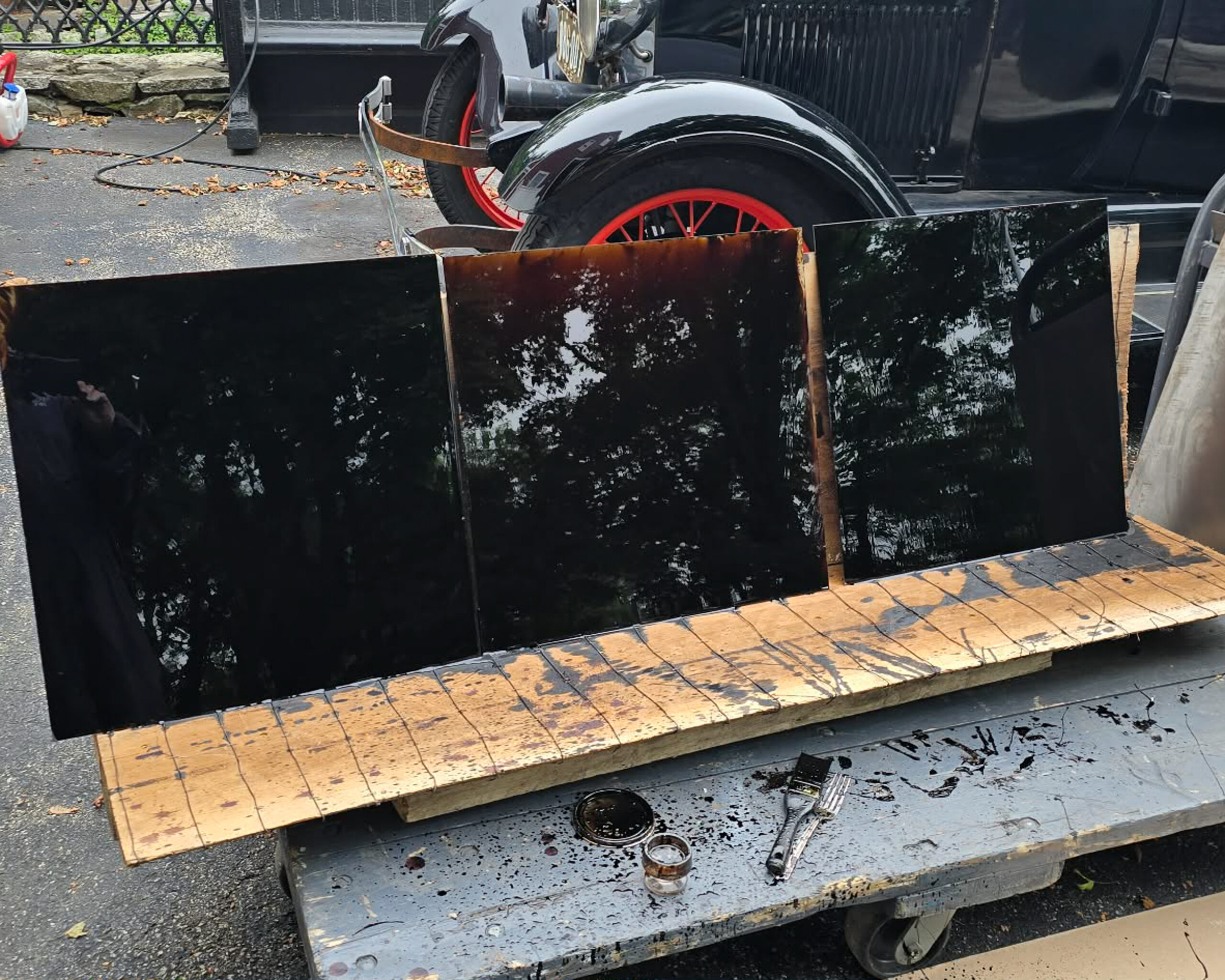
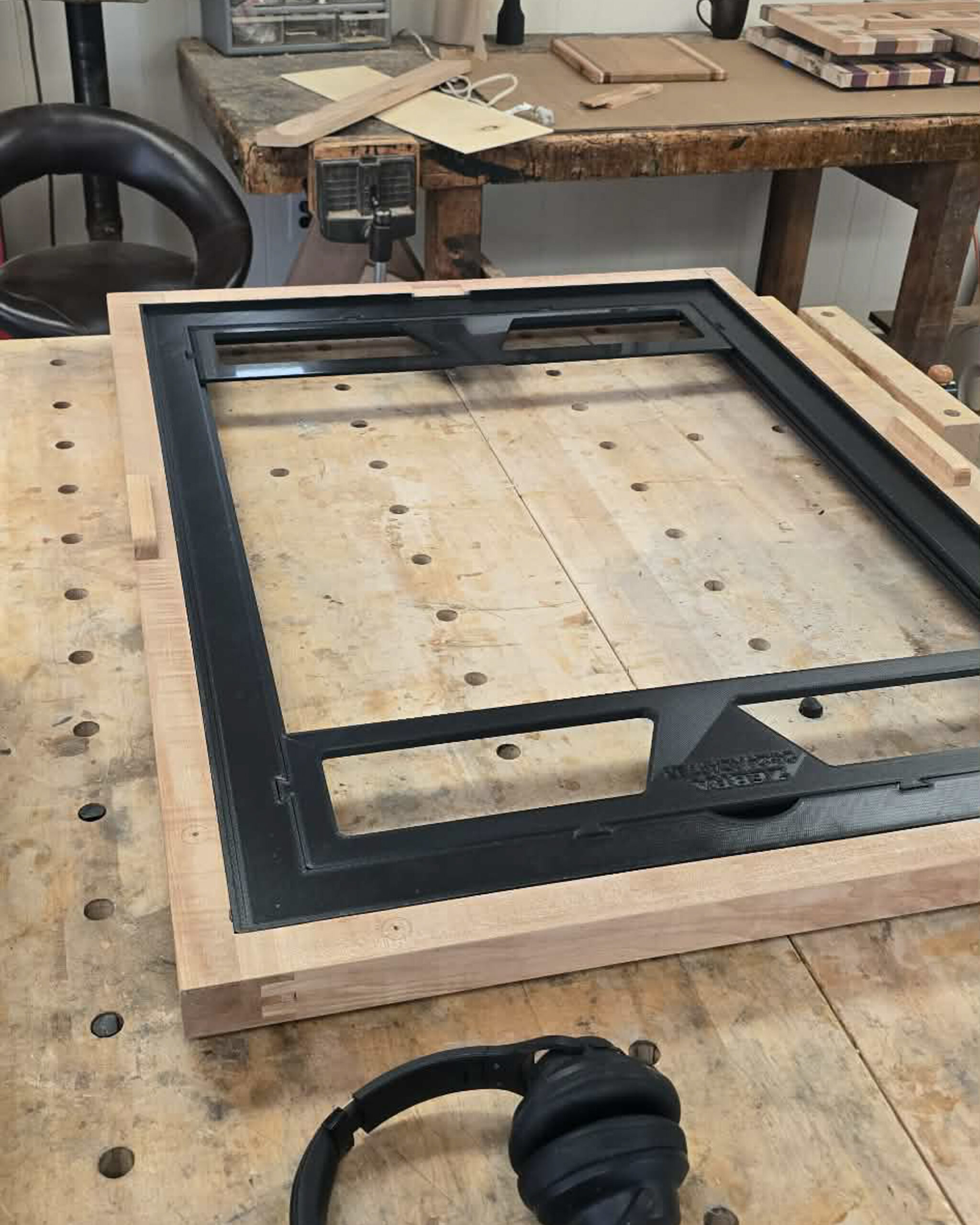
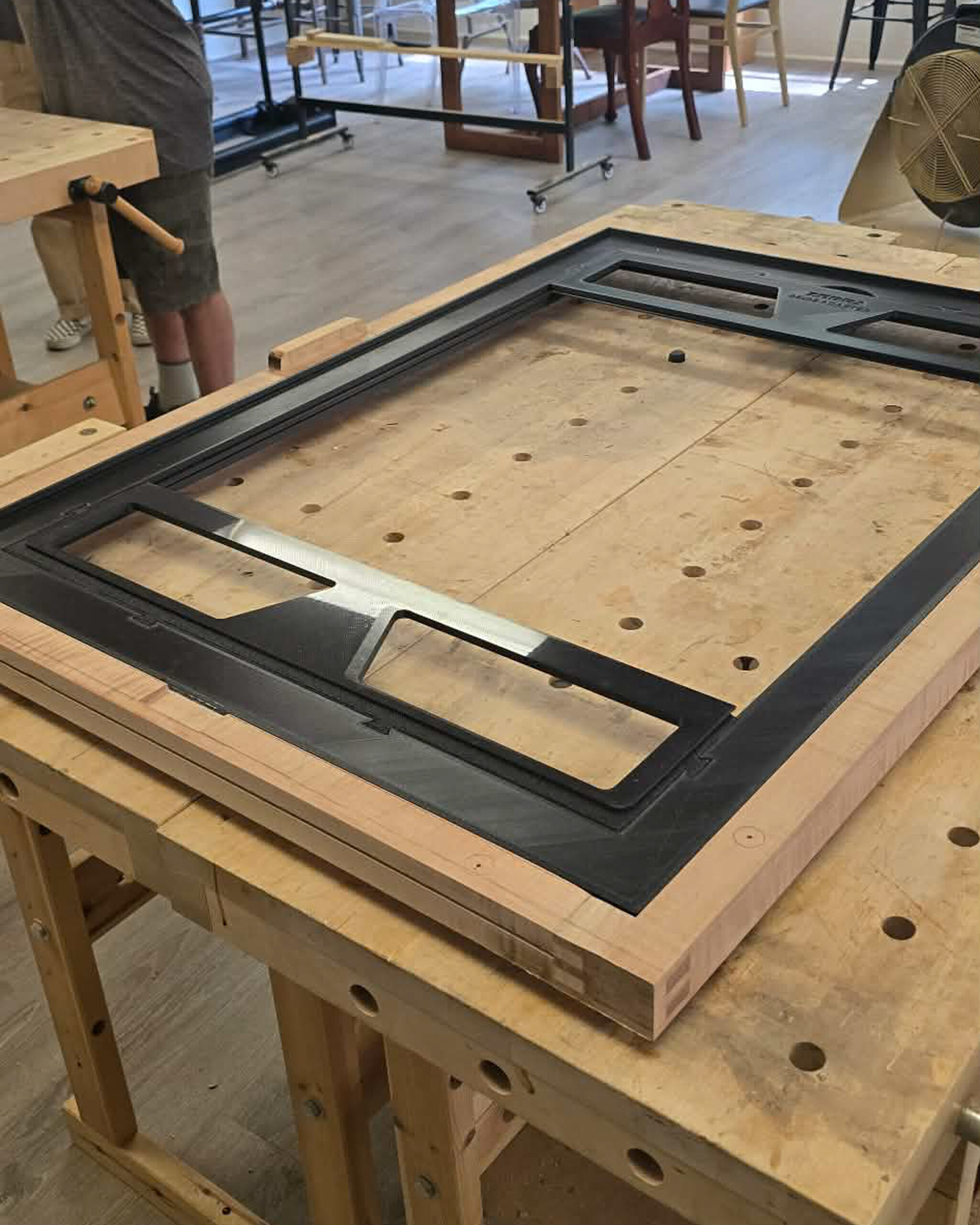
Those challenges are exactly what keep our work interesting.
Over the years, more and more photographers have approached us with projects that simply don’t fit into our standard product range. Because of that, we’re now happy to offer custom Ultra Large Format (ULF) solutions, whether that’s oversized plate holders, custom camera backs, silver sensitising tanks or completely bespoke equipment designed around a specific project. If there’s one thing we’ve learned, it’s that some of the most exciting ideas begin with someone asking, “Do you think this is possible?”
One Project Leads to Another
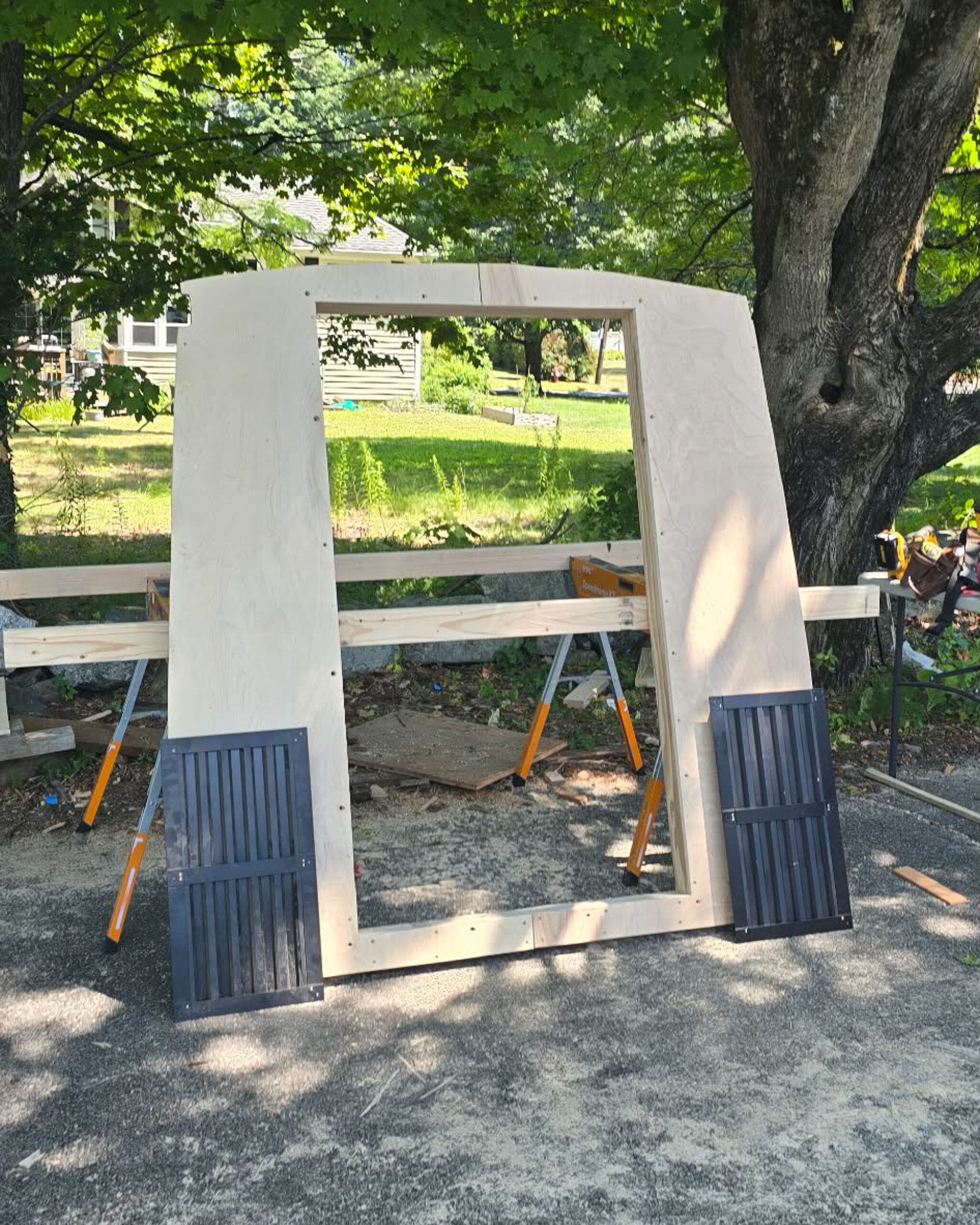
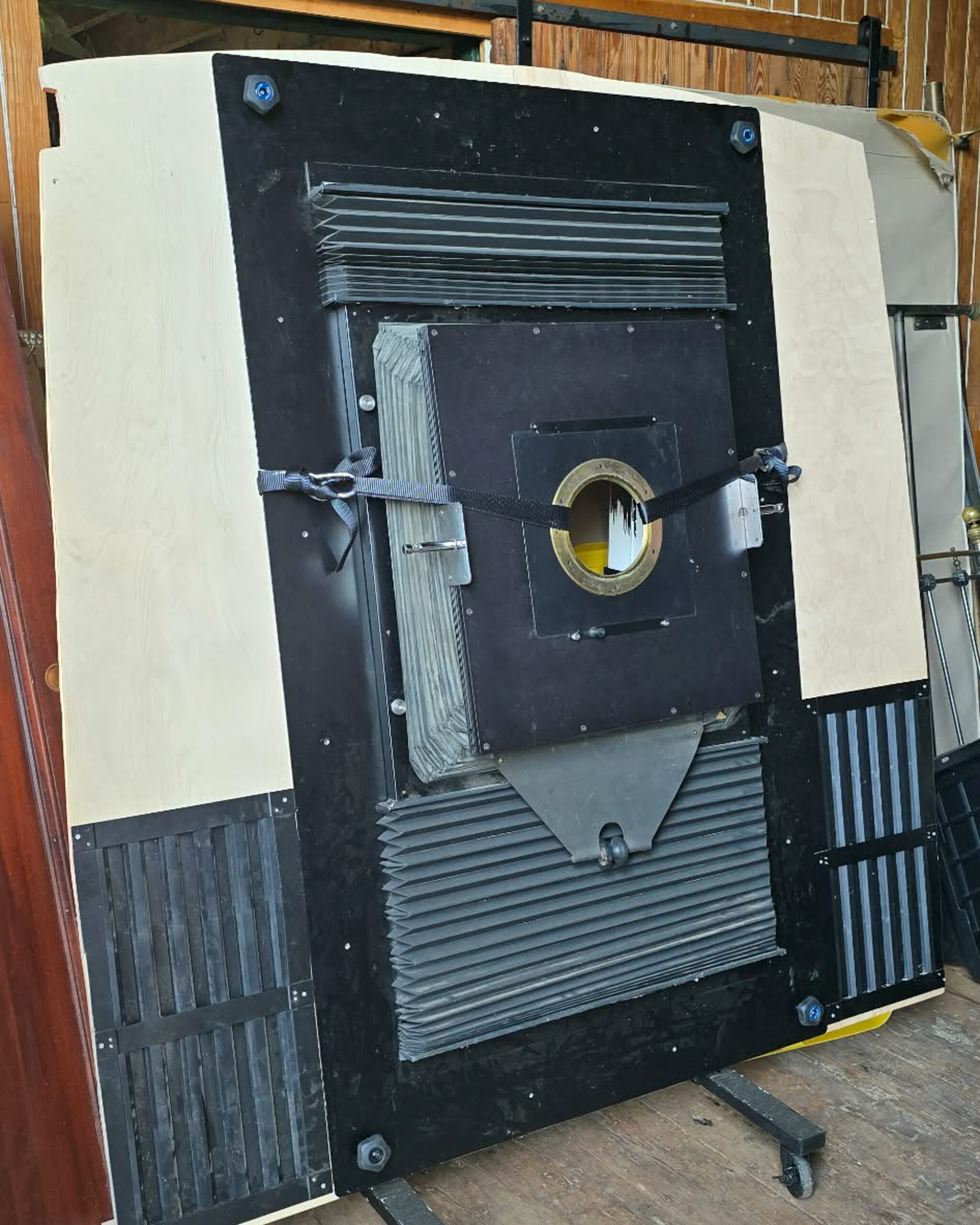
Once the holder and camera back safely arrived in the United States, Richard immediately started building the rest of his camera. Watching the project slowly come together from photos he sent us was incredibly satisfying, and before long another email landed in our inbox.
He had another challenge for us.
Since the camera would be used for wet plate collodion photography, he naturally needed a silver sensitising tank.
Not a standard one.
A 24×35 inch sensitising tank.
At first, that sounds like a simple request. After all, we already manufacture sensitising tanks that have become one of our most popular products, and based on customer feedback we’re confident enough to say they’re among the best available on the market.
So surely making a bigger one couldn’t be that difficult…
Well, that’s what we thought too.
The Biggest Tank We’ve Ever Built
The moment we started sketching ideas, it became obvious that this project would be much more challenging than the holder.
A tank this size holds more than 15 litres of silver nitrate solution. That’s a tremendous amount of weight constantly pushing against relatively thin plastic walls. Even before designing the first component, we knew that preventing deformation would become the biggest engineering challenge.
Printing the tank presented another obstacle.
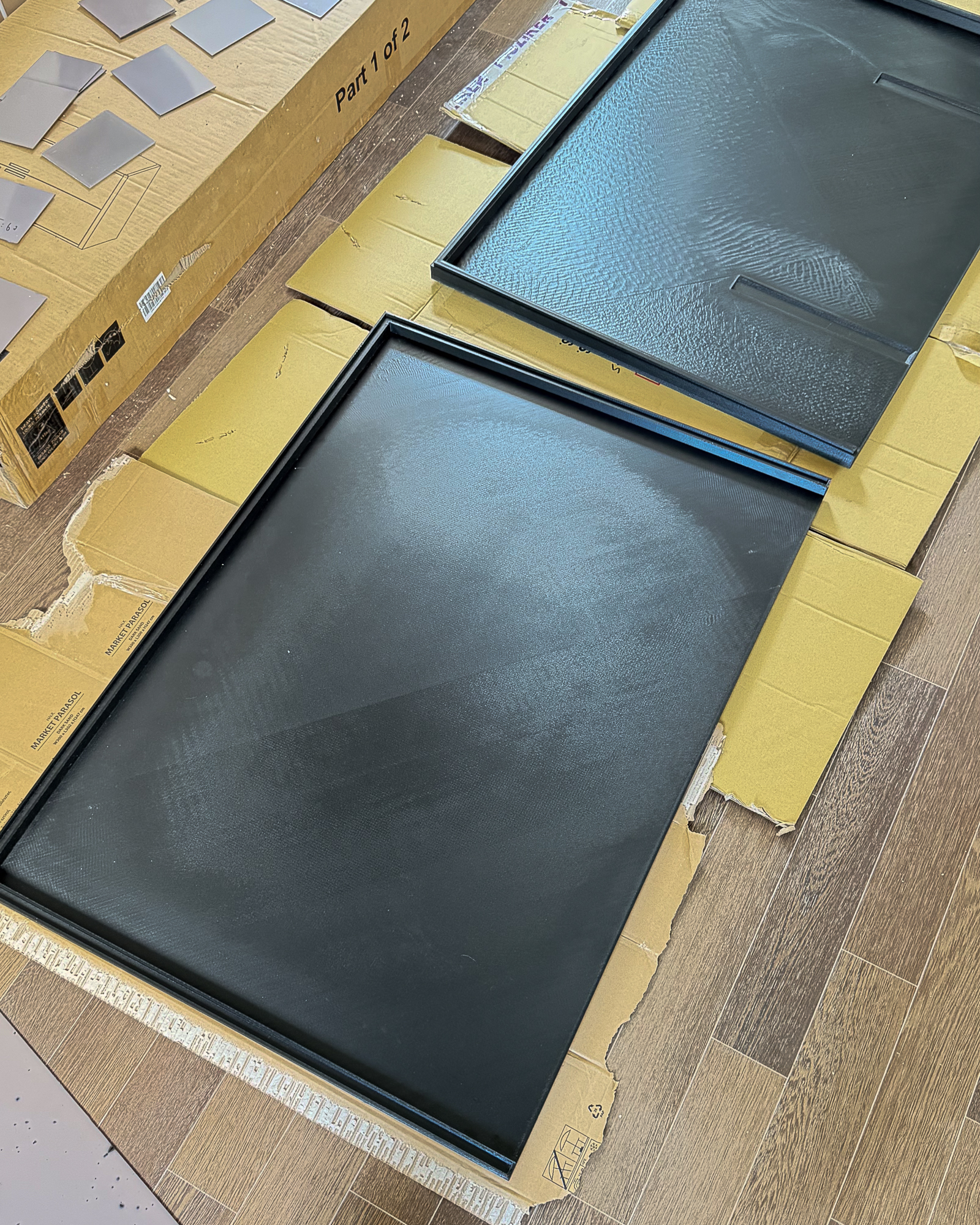
There simply isn’t a printer large enough to produce an object of this size in one piece, so the entire design had to be split into two large halves. That immediately raised another important question.
How do you permanently join two printed sections while ensuring they remain completely watertight?
There was only one way to find out.
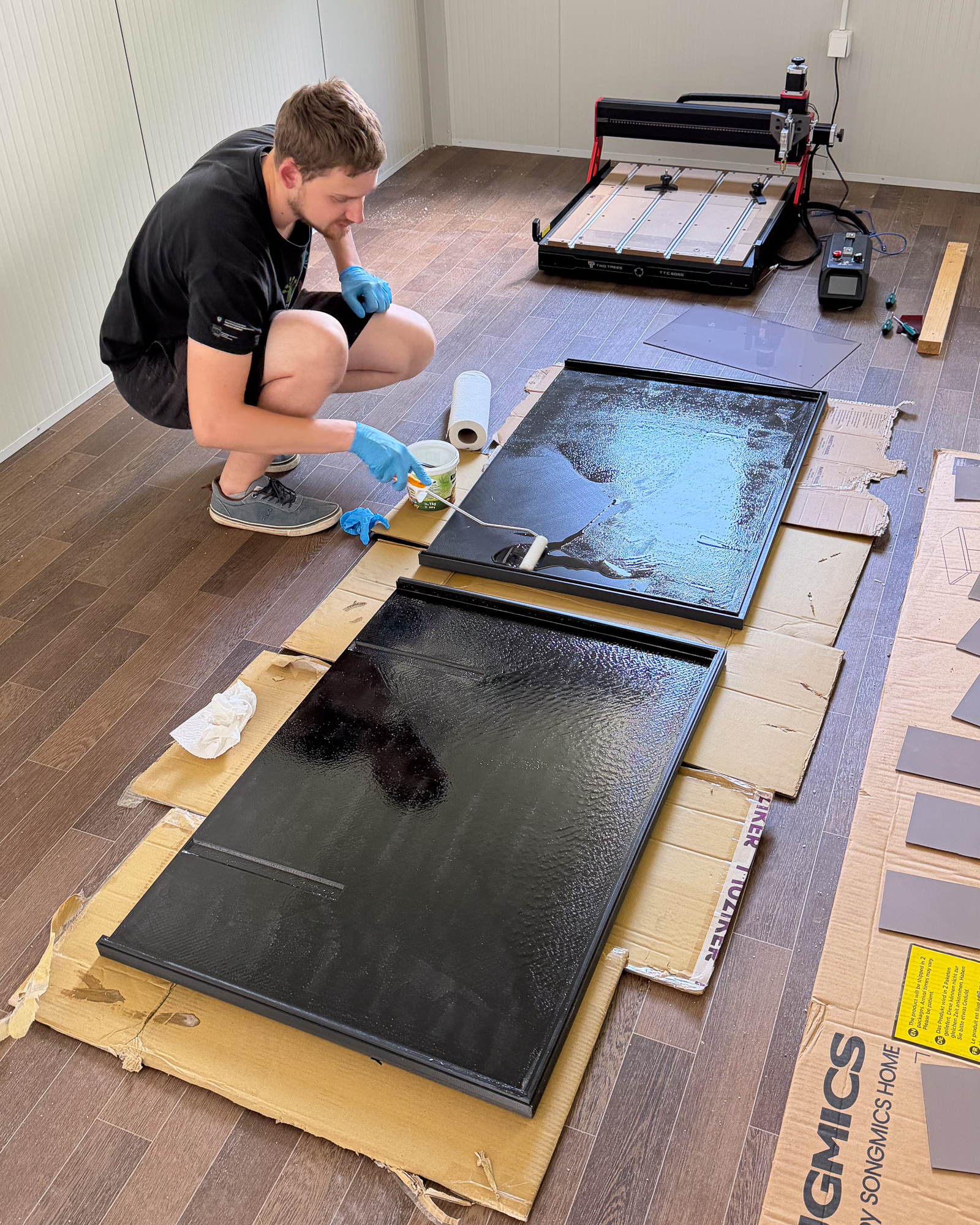
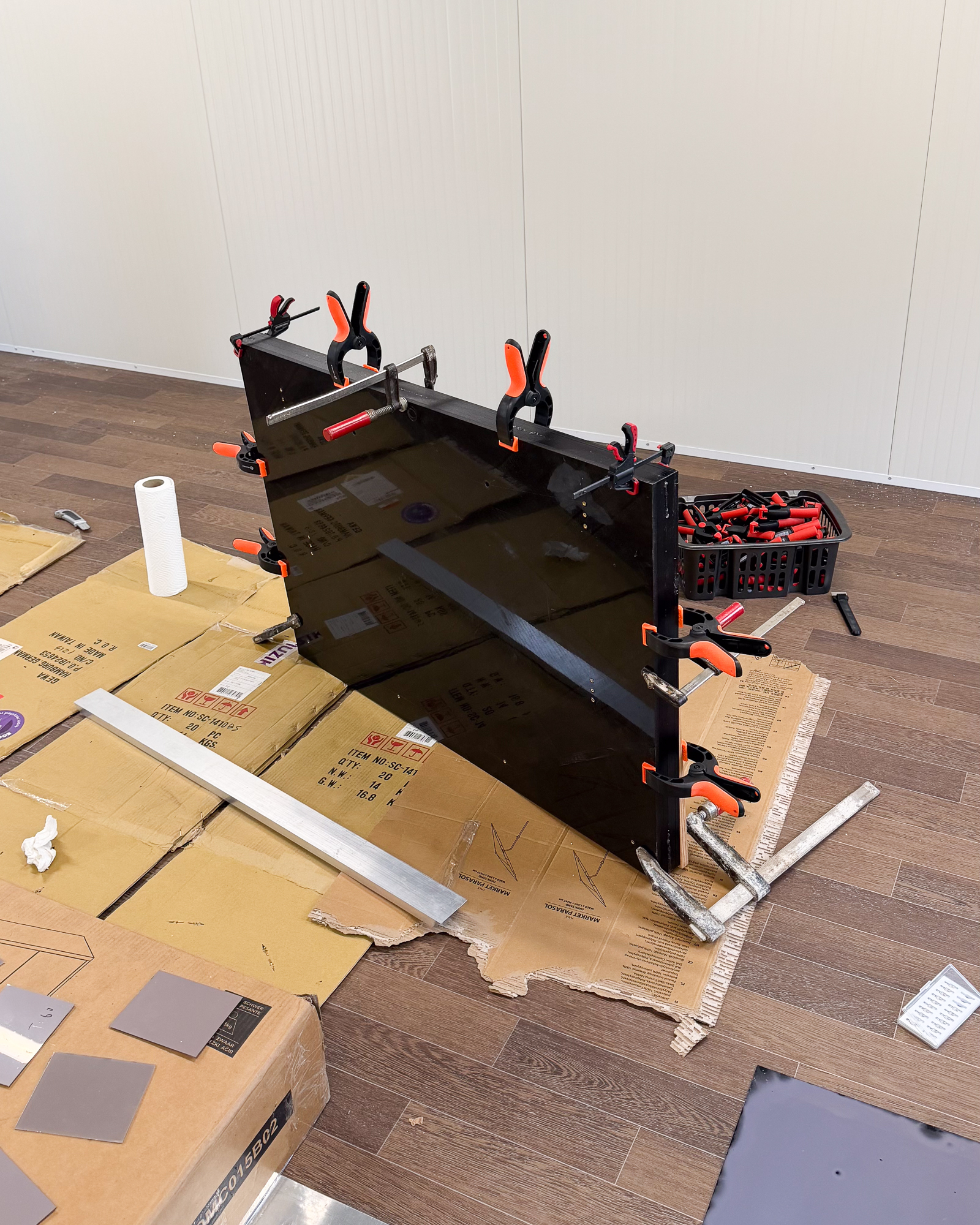
After almost 140 hours of printing, spread over nearly two weeks, we finally had all the components ready for assembly. Not everything went according to plan. One of the largest prints failed almost at the finish line and had to be started again from scratch, costing us several extra days.
Was it frustrating?
Absolutely.
But we’ve always believed that quality comes before speed, especially when the finished product will eventually hold several thousand dollars’ worth of silver nitrate.
The inside surfaces of both halves were carefully sealed with epoxy before they were permanently joined together. The entire joint was then reinforced with a heavy-duty U-profile, protecting the seam from accidental impacts while adding significant structural strength. Once everything was assembled, we sealed the entire joint once more with another continuous layer of epoxy, creating an additional barrier between the printed plastic, the adhesive and the silver solution itself.
Everything looked perfect.
Now came the moment of truth.
Back to the Drawing Board
Like every engineer, we had quietly convinced ourselves that walls over one centimetre thick would probably be rigid enough.
We were wrong.
The first water test began promisingly enough. There wasn’t a single leak anywhere around the tank, which was already a huge relief.
Then we kept filling.
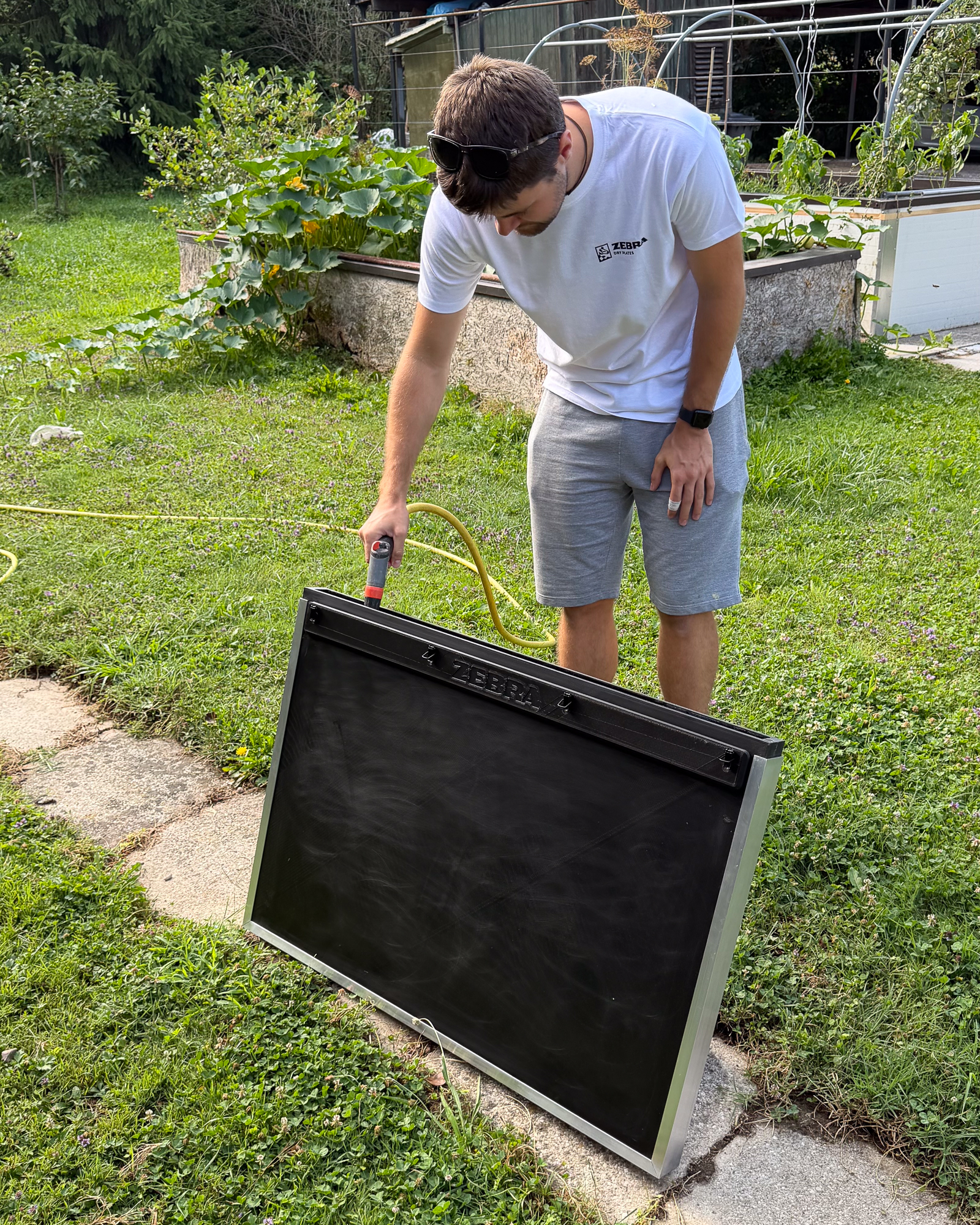
At around two-thirds full, we noticed something we had hoped not to see. The long front and rear walls slowly began to bulge under the pressure of the water. It wasn’t dramatic and it certainly wasn’t dangerous, but it was immediately obvious that we couldn’t send it to a customer like that.
We all stood there for a moment watching the tank expand ever so slightly.
Then someone said exactly what everyone else was thinking.
“Back to the drawing board.”
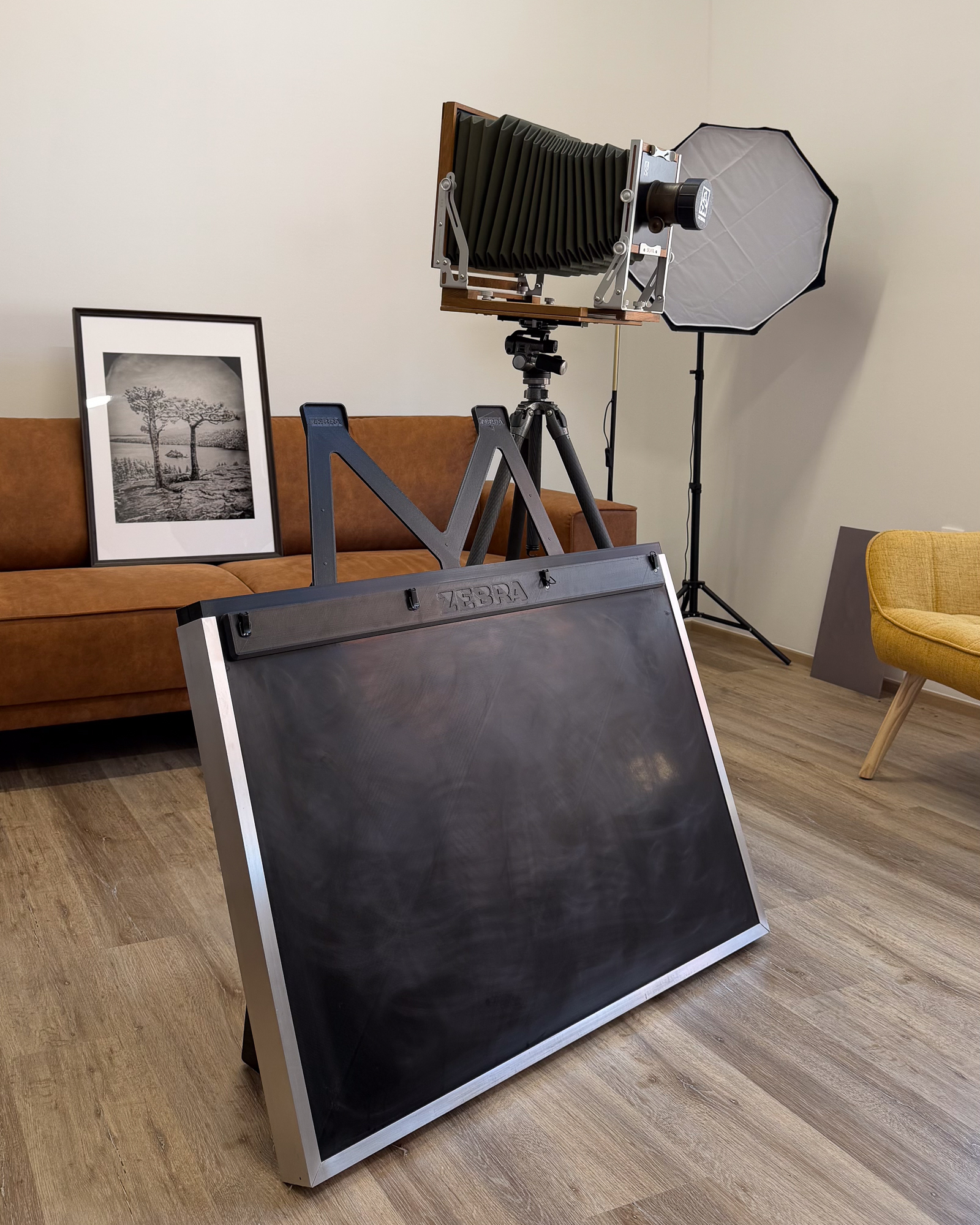
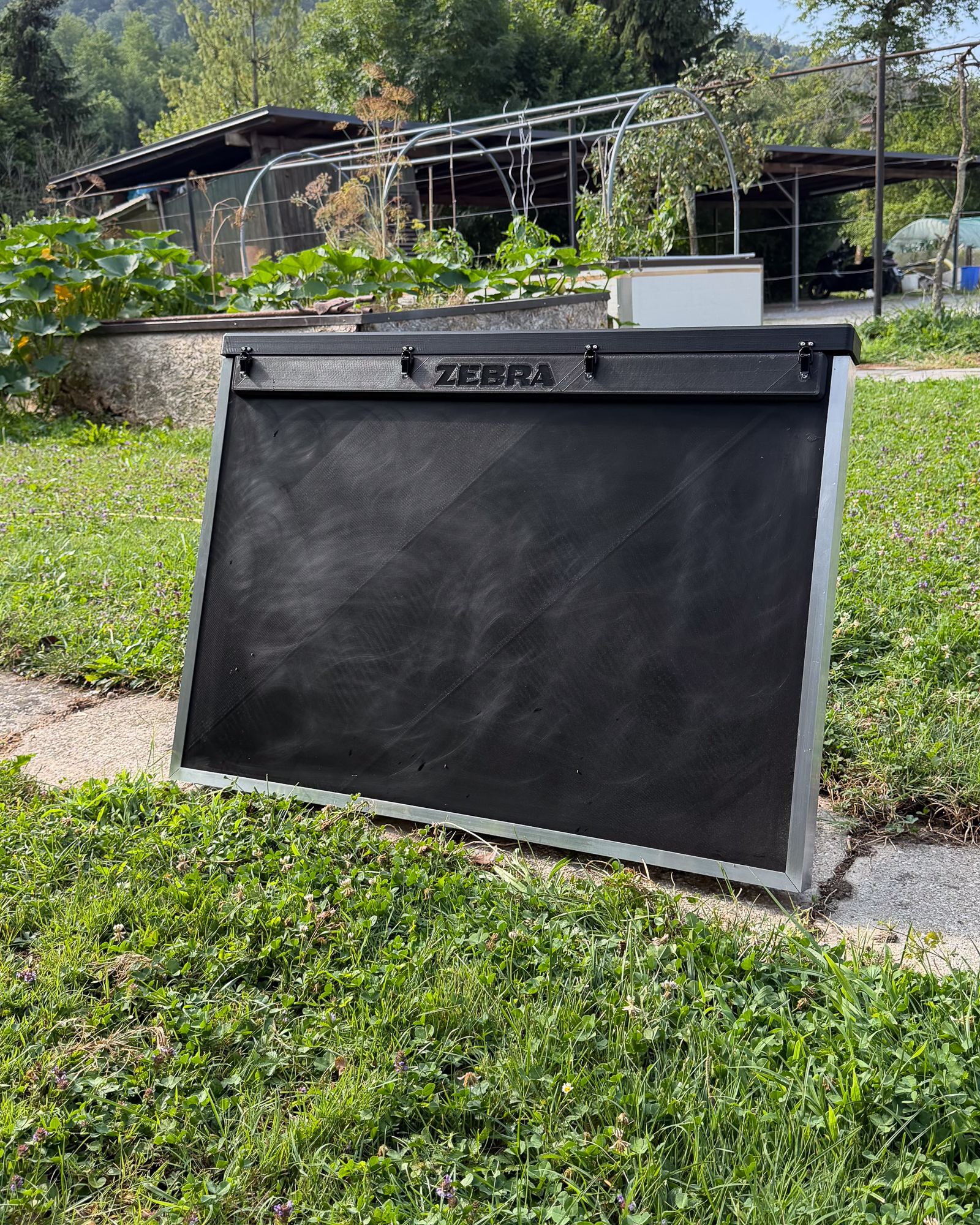
After discussing several different reinforcement concepts, we settled on heavy-duty aluminium rectangular tubing running across the centre of the tank in two locations. We designed custom end caps to conceal the hardware while securely tying both sides together and preventing further movement.
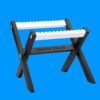
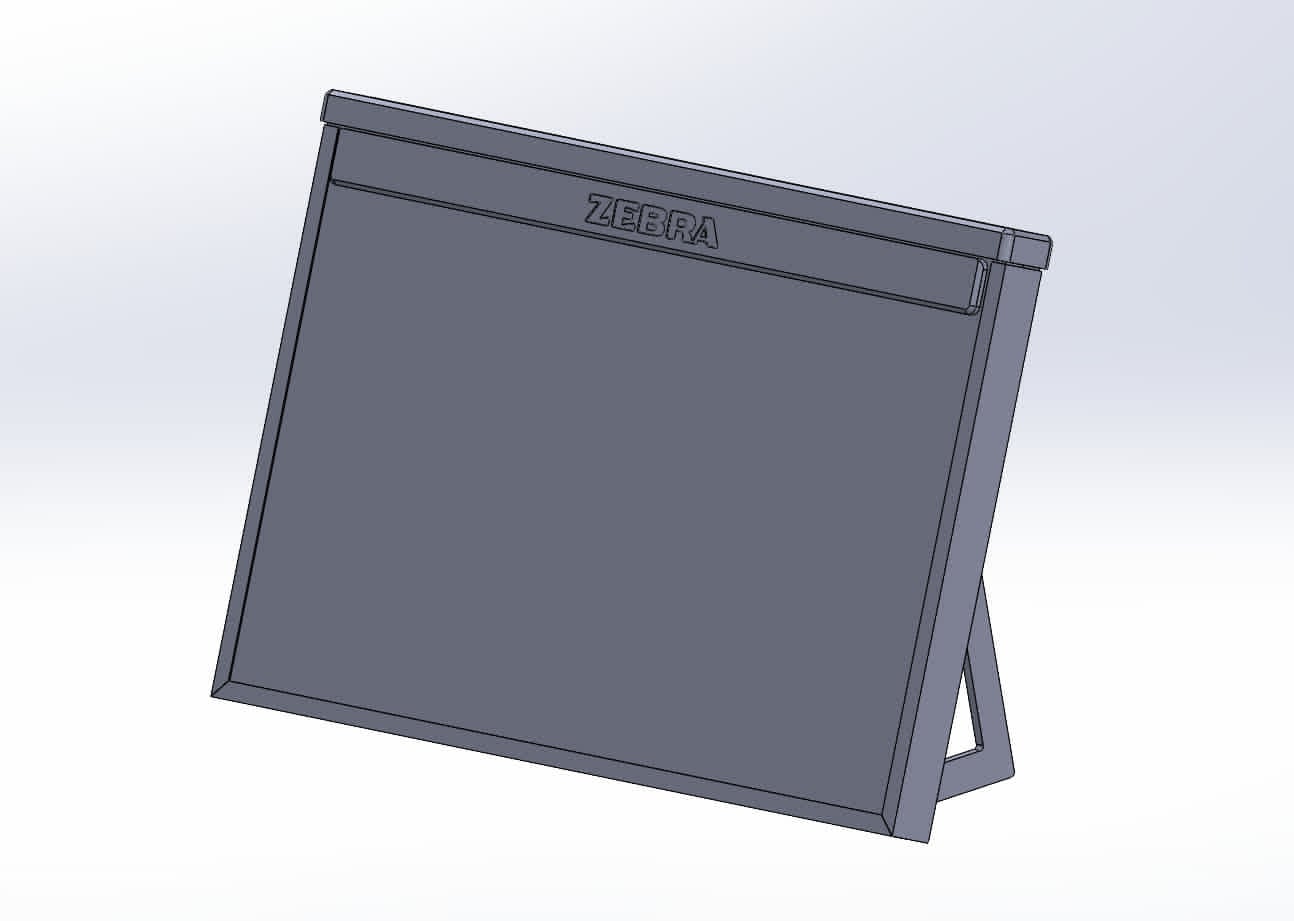
Since Richard intended to travel with the tank inside a van, we also designed a foldable support leg that allows the tank to be tilted comfortably during sensitising before folding neatly away for transport and storage. The final touches included fitting the lid with a full sealing gasket and heavy-duty latches capable of keeping everything tightly closed while travelling.
One Last Test
With all the reinforcements in place, there was only one thing left to do.
Fill it again.
This time we filled the tank right to the very top, closed the lid and simply left it standing overnight.
We have to admit, we were slightly nervous arriving at the workshop the following morning. No amount of calculations or computer models replaces seeing a finished product survive a real-world test.
Fortunately, the floor was completely dry.
No leaks.
No deformation.
Exactly the result we had hoped for.
Only then did we finally feel comfortable calling the project finished and preparing it for its journey to Richard.
Sending a Giant Across the Atlantic
The last challenge wasn’t manufacturing.
It was getting this enormous piece of equipment safely from Slovenia to the United States.
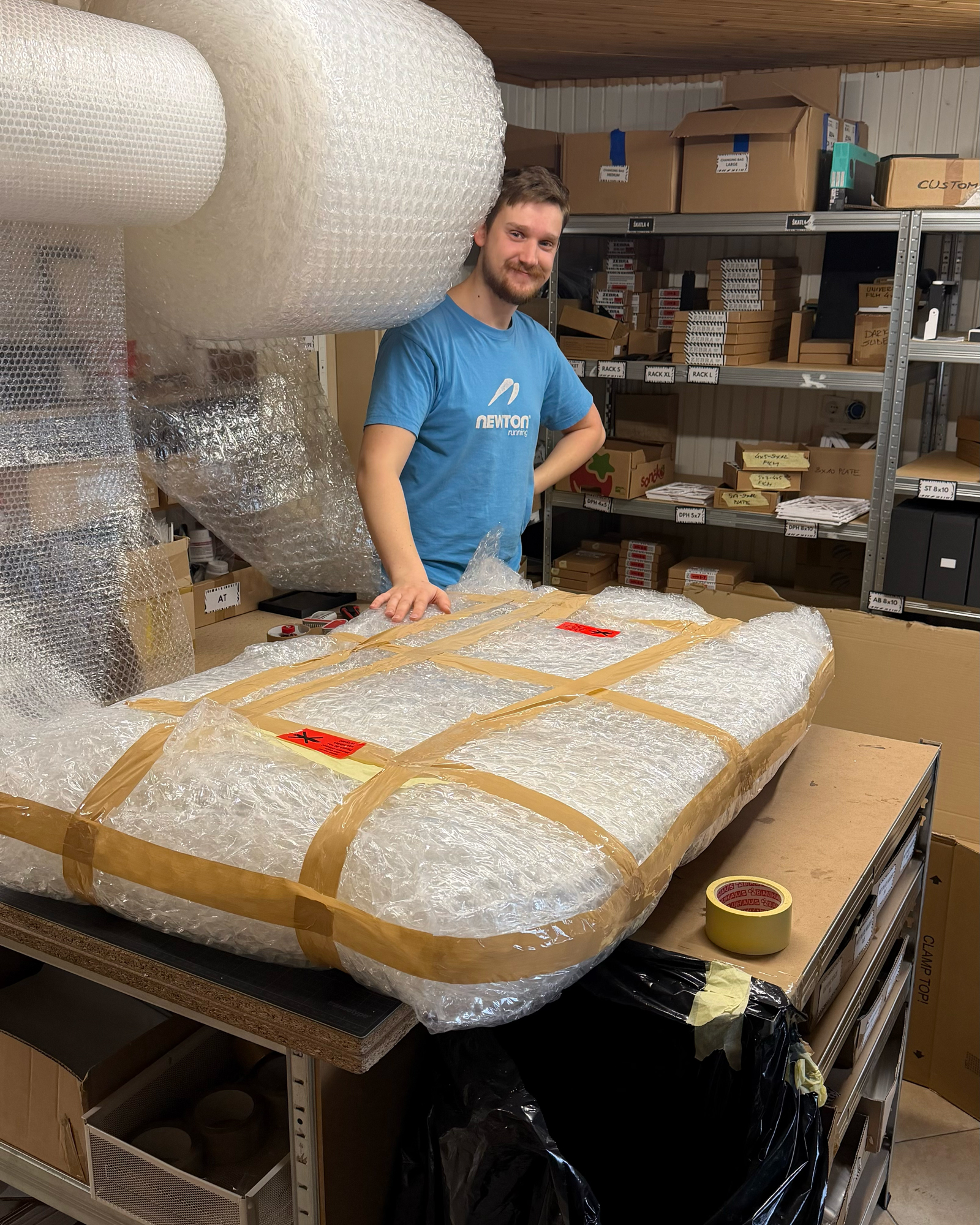
Interestingly, despite its size, the completed tank weighed only around 15 kilograms, but that didn’t make packaging any less important. If anything, it made us think even more carefully about how to protect such a large object during transport.
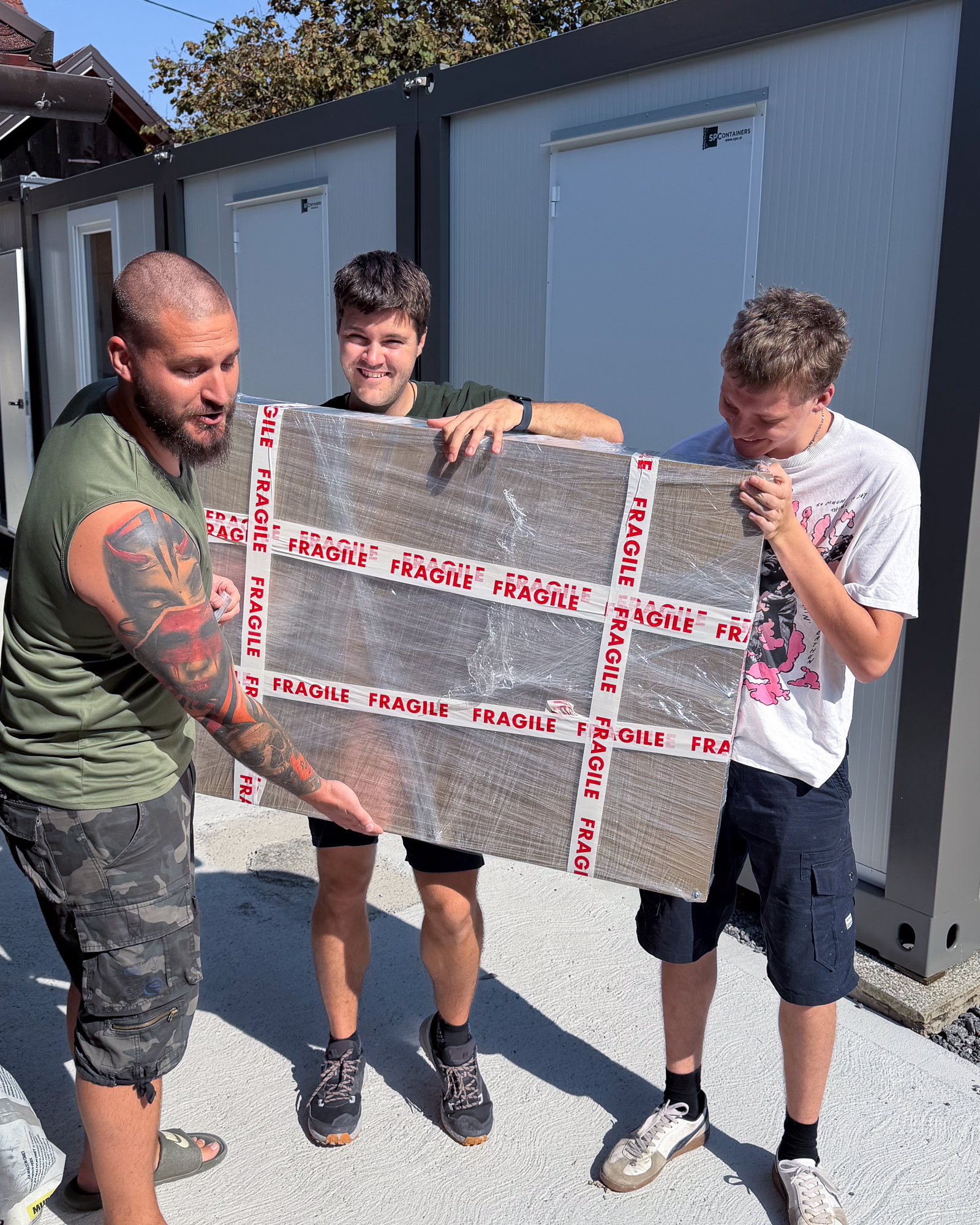
Fortunately, shipping delicate equipment around the world isn’t new to us. Over the years we’ve sent Ultra Large Format glass plates to photographers across the globe, and we’ve learned that good packaging often makes all the difference.
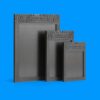
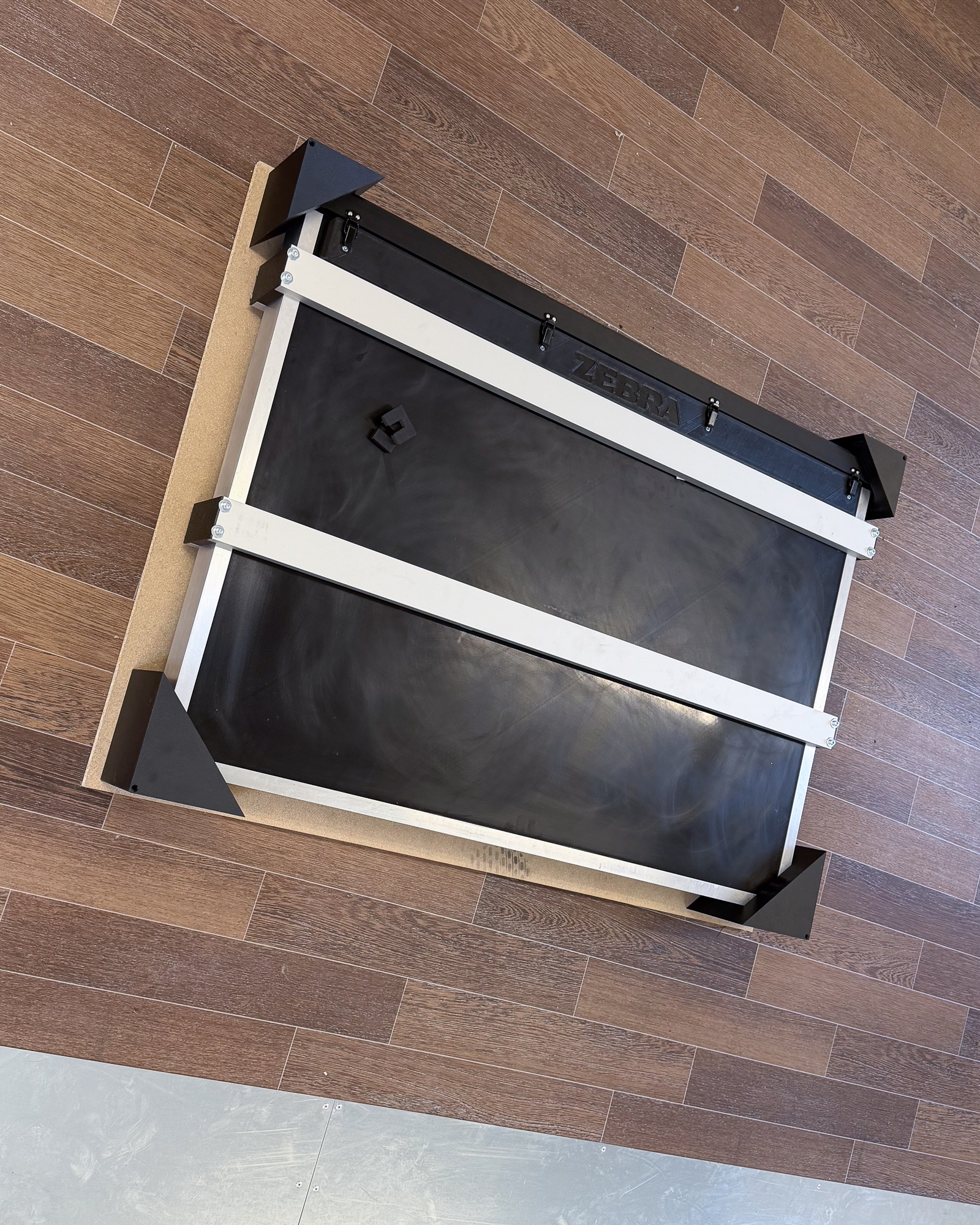
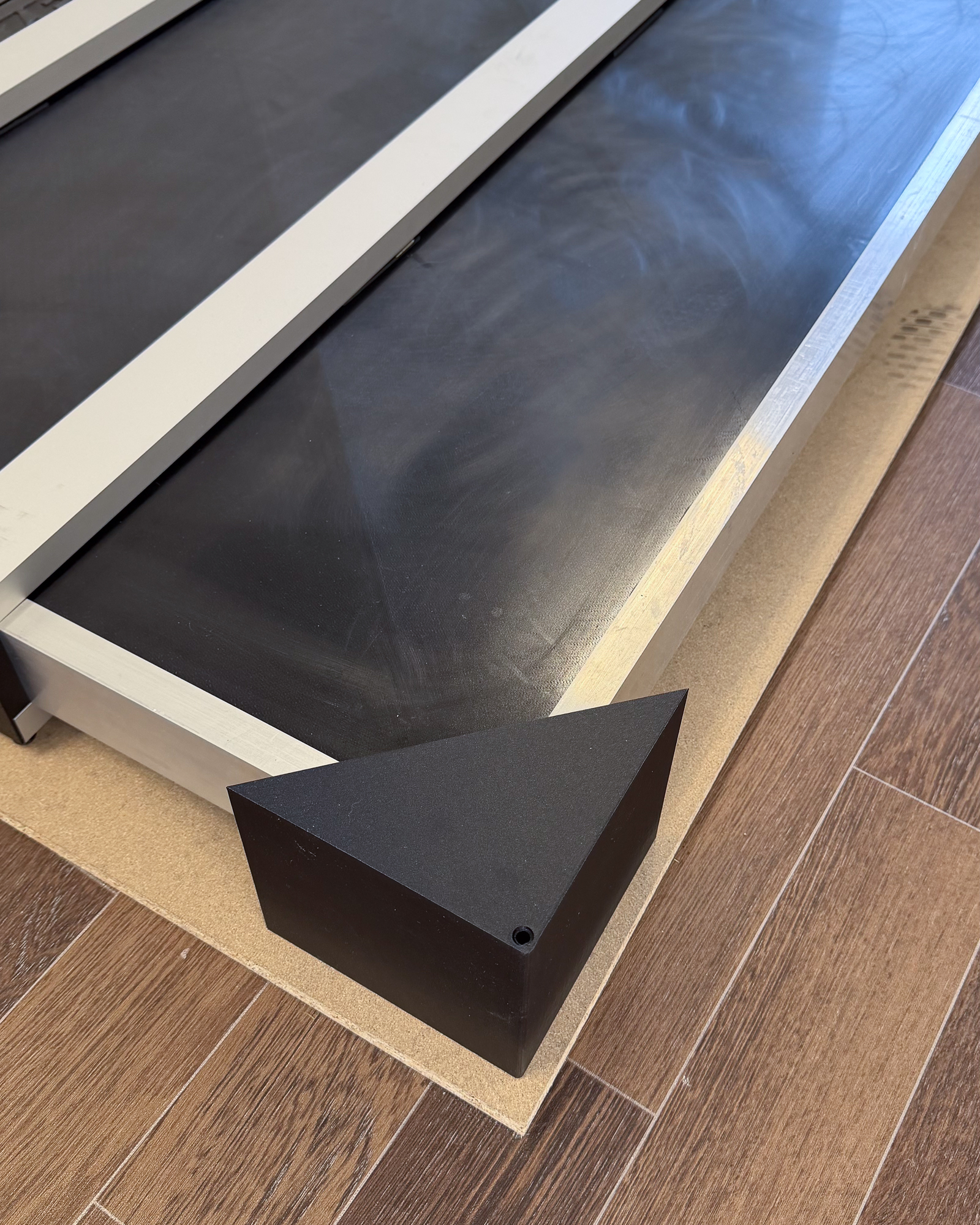
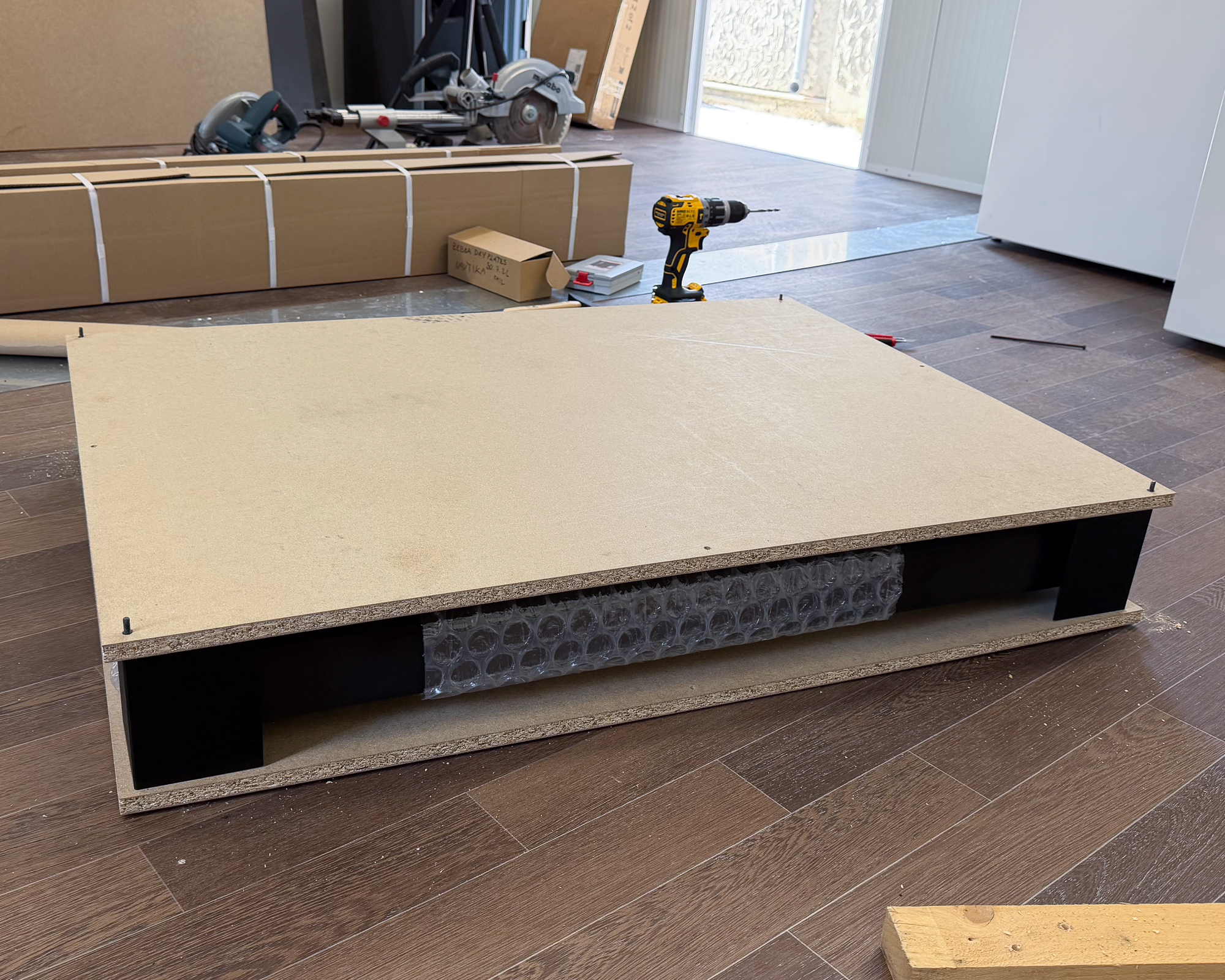
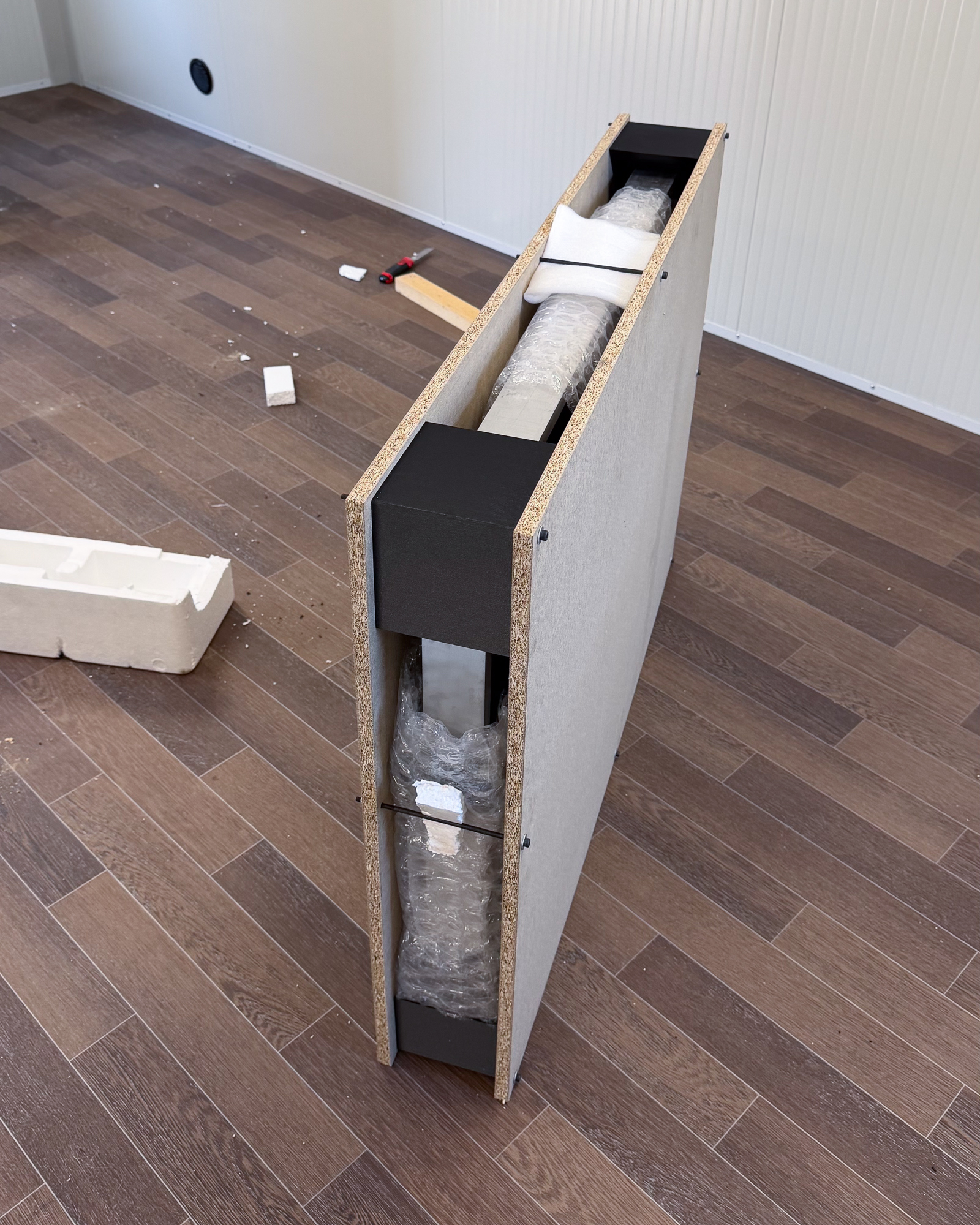
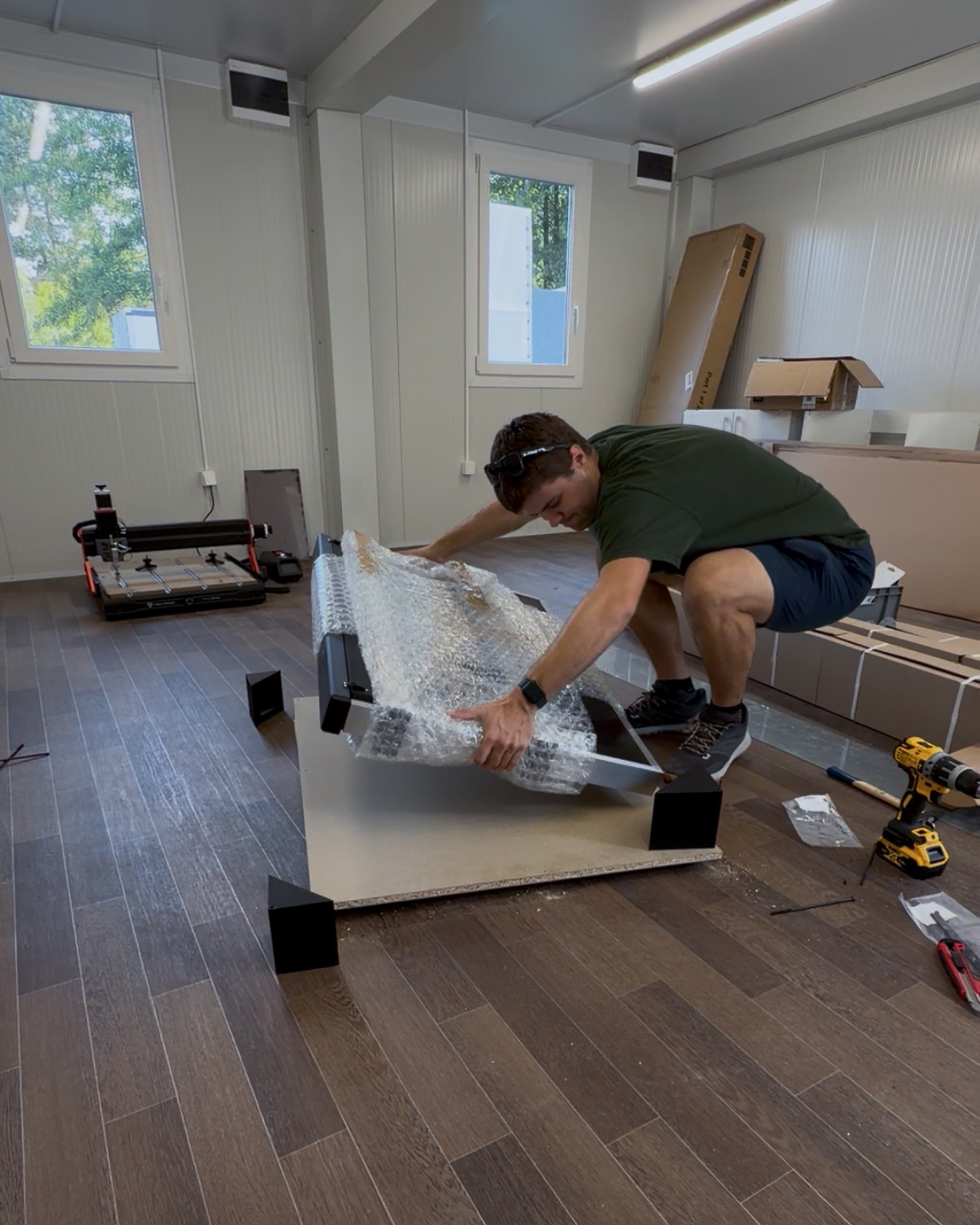
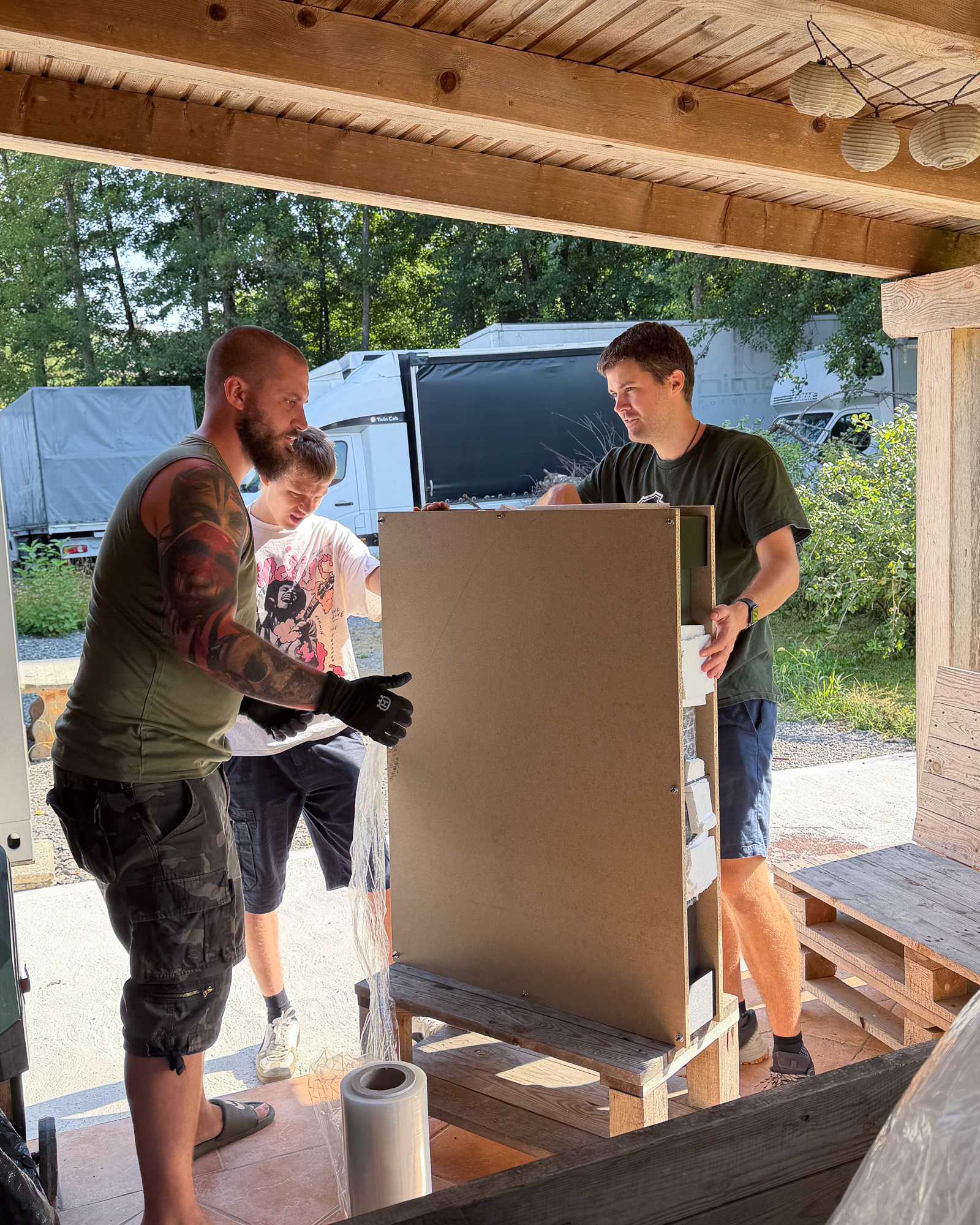
The tank was securely sandwiched between two heavy wooden panels, with custom-designed and 3D-printed corner protectors preventing any movement whatsoever. Additional foam protection, wrapping and more bolts than we care to count later, the entire package became one solid unit. No shifting, no movement and no unnecessary stress on the tank itself.
Watching it leave the workshop, knowing it was on its way to Richard, was both satisfying and slightly surreal. After weeks of designing, printing, testing, redesigning and testing again, it was finally beginning its journey across the Atlantic.
Looking Forward
Looking back, this was undoubtedly one of the largest and most technically demanding projects we’ve completed in the Zebra workshop so far. It challenged us at almost every stage of the process, forced us to rethink several engineering decisions and ultimately pushed both our equipment and our own experience further than ever before.
Those are exactly the kinds of projects we enjoy the most.
Richard’s camera is now coming together exactly as he imagined, and honestly, we’re probably just as excited as he is to see the first 24×35 inch wet plate collodion plates it will produce. There’s something incredibly rewarding about helping someone turn an ambitious idea into a working photographic tool, especially when that tool simply didn’t exist before.
If this project proves anything, it’s that custom engineering is often where the most exciting ideas begin. So if you’re working on an Ultra Large Format camera, an unusual wet plate project or simply need equipment that doesn’t exist off the shelf, don’t hesitate to get in touch. Whether it’s a custom holder, camera back, sensitising tank or something completely unique, we’d love to explore the possibilities with you and help turn your idea into reality.
You can reach us anytime at [email protected].
After all, some of our favourite projects have started with one simple sentence:
“Do you think you can build this?”
Great Work! literally great work. You guys made my wet plate holder in 20×24 inch about a year and a half ago and it works very well. And indeed deformation under various stress are a concern. For instance while carrying the plate holder with sentisised plate you put hold it in sus a way that the holder does not bent because of torsion . If that happens the front of the plate can touch the slide of the plate holder. And of course the weight is higher. But once you know your workflow and how not to handle the plate holder it works very well. With such formats handling plates in a confined space of a smaller darkroom becomes a bigger challenge. Great that you offer these services to customers who want to scale up their proces.