

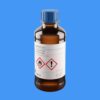





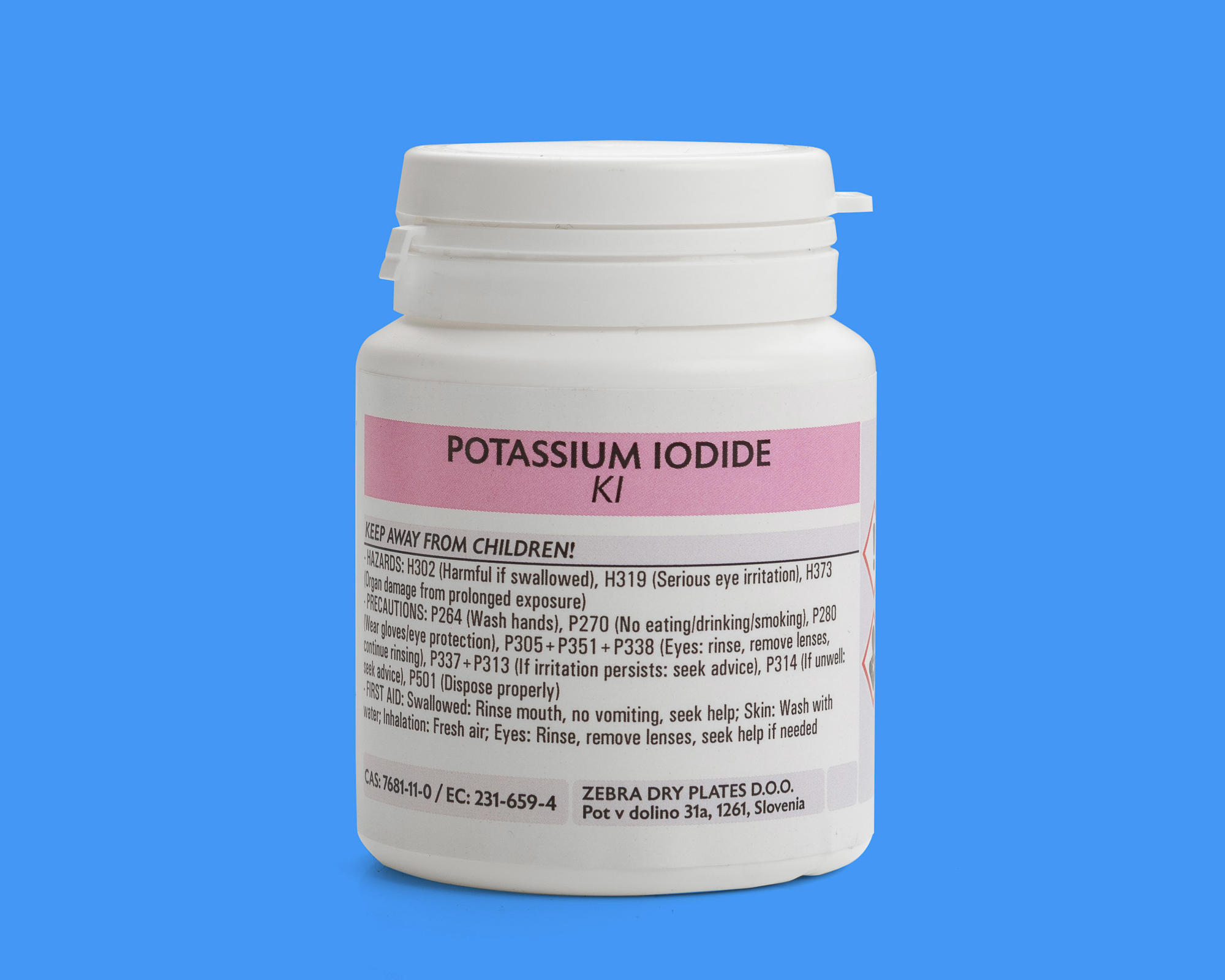
Potassium Iodide (KI) is one of the most important halide salts in historical photography, playing a central role in wet plate collodion and silver gelatin emulsion making.
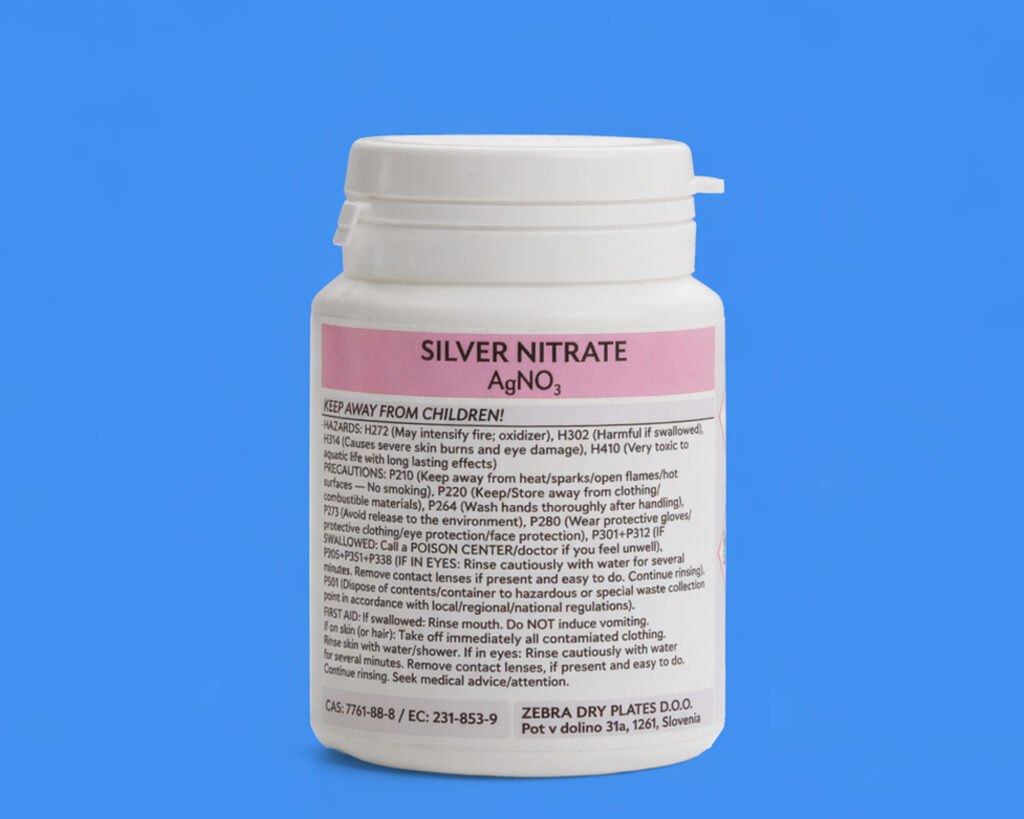
In the wet plate collodion process, potassium iodide is dissolved into the collodion mixture. When the plate is sensitized in a silver nitrate bath, it forms silver iodide the primary light-sensitive compound responsible for image formation. The balance between iodides and bromides strongly affects exposure speed, contrast, and tonal rendering.
In silver gelatin emulsions, potassium iodide is often used in small quantities alongside potassium bromide to influence crystal structure and sensitivity. It can help refine tonal gradation, reduce fog, and subtly shift image characteristics depending on the formulation.
Potassium iodide is also used in:
– Dry plate emulsion making
– Collodion emulsion processes
– Hybrid and experimental photographic techniques
For wet plate photographers, potassium iodide is essential forming the backbone of the classic collodion image. For emulsion makers, it provides precise control over image response and aesthetic qualities.